THE MESOLITHIC
c. 10,000 – 6,000 BCE (varies by region)
Life After the Ice: Adaptation, Innovation, and the Shaping of Early Human Landscapes
1. Introduction
The Mesolithic—“Middle Stone Age”—is the great hinge between the deep past of the Palaeolithic and the agricultural revolutions of the Neolithic. It is a period defined not by dramatic leaps in human evolution, but by dramatic changes in climate, ecology, and survival strategies.
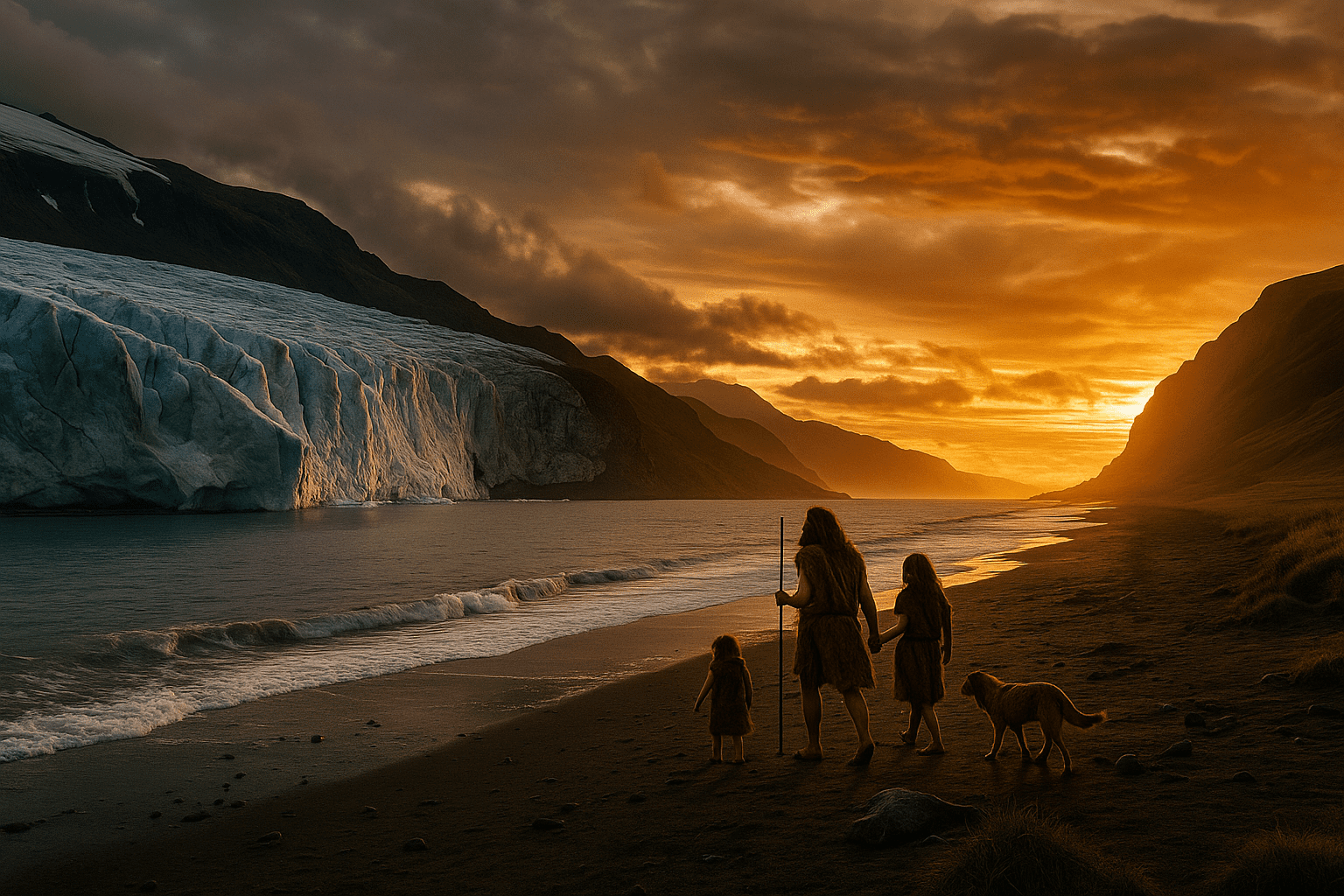
As the last Ice Age ended (c. 11,700 BP), global temperatures rose, glaciers retreated, sea levels climbed, and vast new environments opened. Human populations responded with extraordinary flexibility—creating new tools, new subsistence systems, and new forms of settlement shaped by rivers, forests, and shorelines.
The Mesolithic is essential to understanding how humans moved from nomadic Ice Age hunter-gatherers toward more settled lifeways, social complexity, and the first steps into farming.
2. Chronology & Geography
Unlike the Palaeolithic or Neolithic, the Mesolithic has different dates in different regions:
- Britain & Ireland: 10,000–4,000 BCE
- Scandinavia: 9,500–4,000 BCE
- Central Europe: 10,000–5,500 BCE
- Near East: Very brief period; agriculture begins early
- Iberia: 10,000–5,500 BCE
The defining feature is not a strict date but a post-glacial world in which people adapted to:
- warming forests
- expanding wetlands
- new coastlines
- rich river systems
- rising seas
- disappearing megafauna
Wikipedia overview:
https://en.wikipedia.org/wiki/Mesolithic
3. Climate & Environmental Change
The Mesolithic begins with the Holocene, a warm, stable period that reshaped the entire planet.
Key environmental transformations:
- Dense forests spread across Europe
- Open tundra vanished
- Megafauna such as mammoth and woolly rhino went extinct
- Sea levels rose dramatically (over 60 metres in some regions)
- Britain became an island with the flooding of Doggerland
Doggerland was once a thriving landmass connecting Britain to the continent, rich with game, rivers, and human settlements, until it slowly disappeared beneath the North Sea.
Wiki:
https://en.wikipedia.org/wiki/Doggerland
These shifts forced humans to entirely reimagine how they lived.
4. People & Society
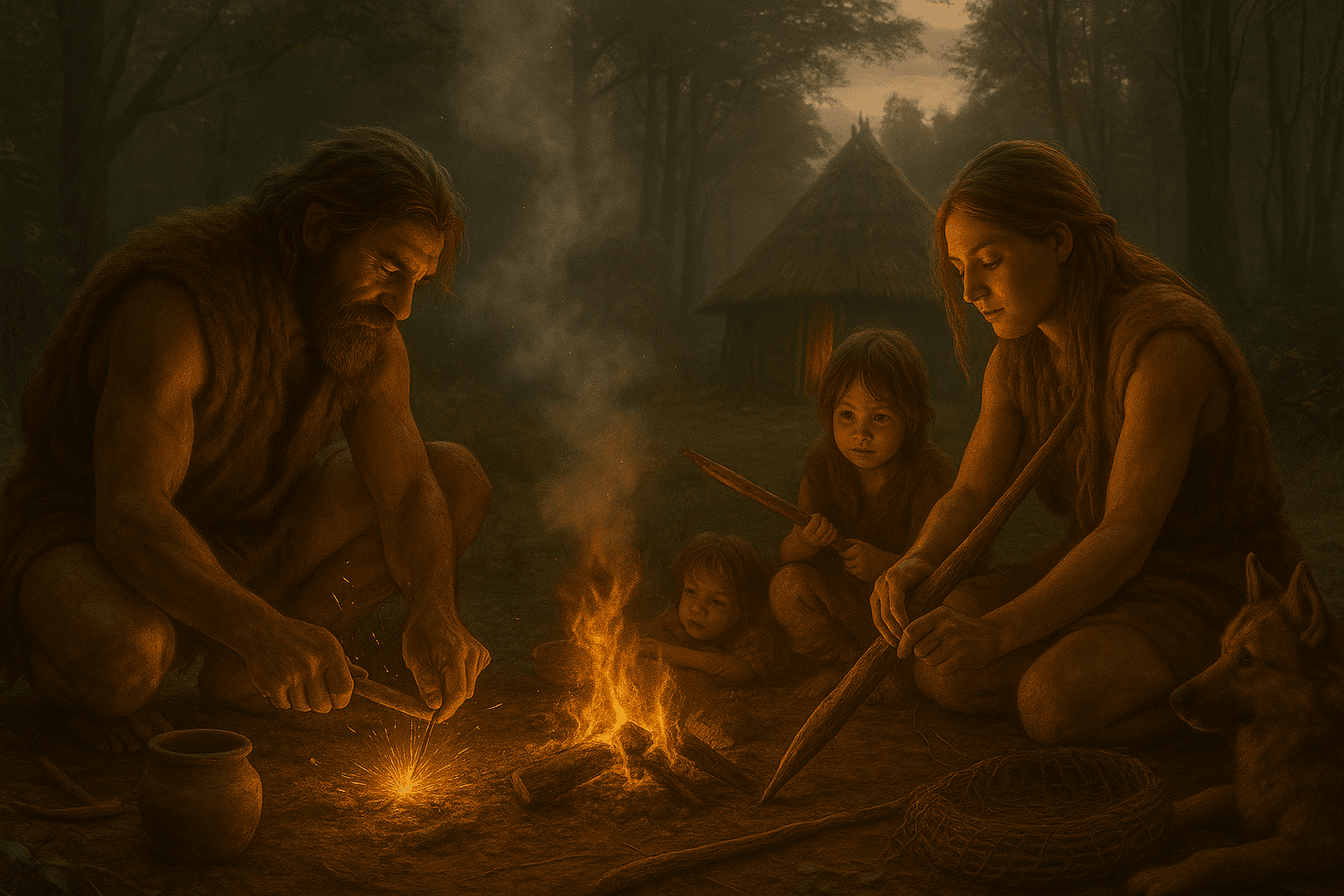
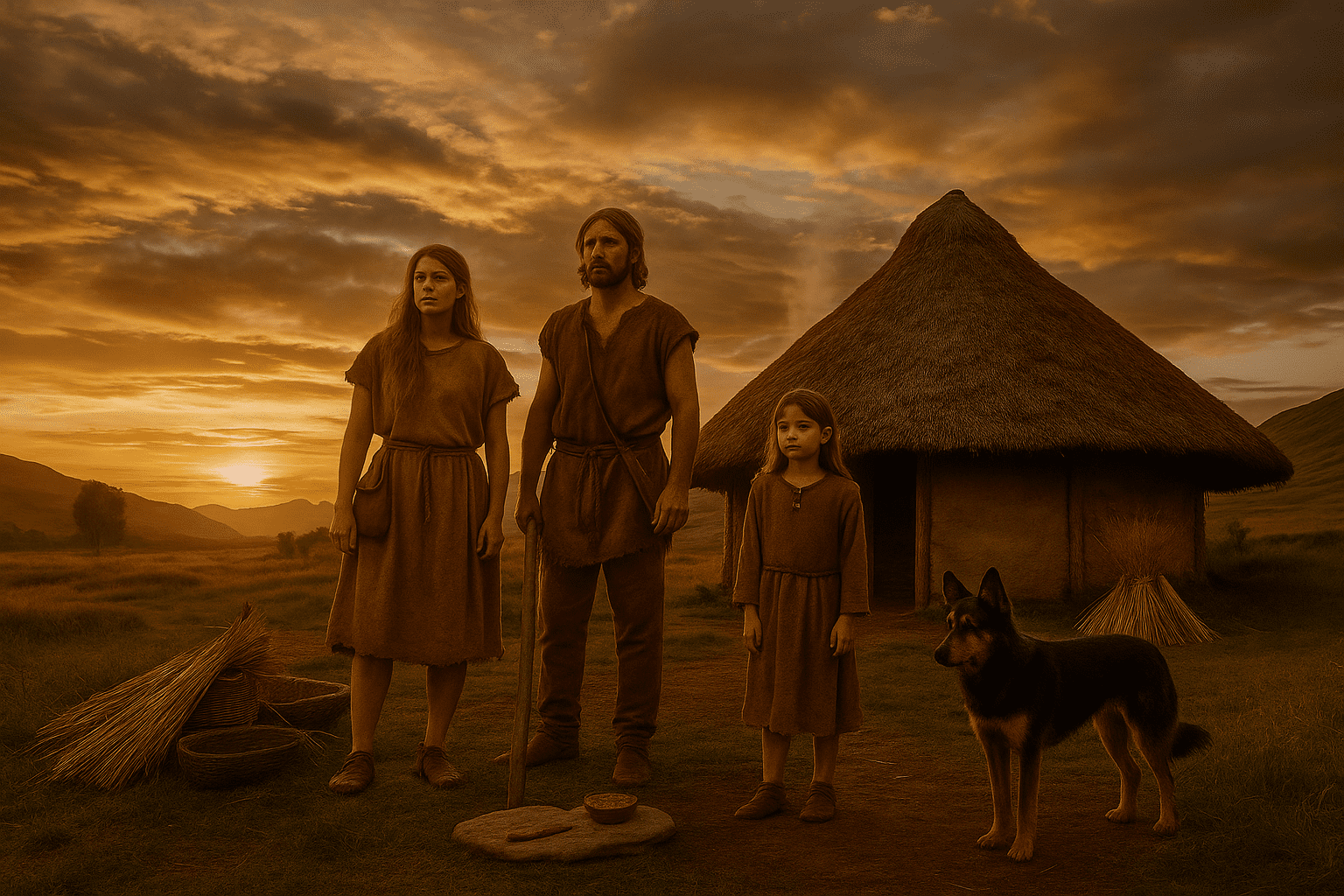
Mesolithic communities were still hunter-gatherers, but their societies became more complex, settled, and regionally distinct.
Population
- Slowly rising due to stable climate
- Groups often semi-permanent at rivers, lakes, and coasts
Settlement Patterns
Some sites show seasonal occupation, others long-term base camps.
Key examples:
- Star Carr (England) — lakeside settlement
- Lepenski Vir (Serbia) — monumental stone houses
- Mount Sandel (Ireland) — early huts
Star Carr wiki:
https://en.wikipedia.org/wiki/Star_Carr
Social Developments
Evidence points toward:
- increasing territoriality
- specialised subsistence zones
- trade and long-distance contact
- emerging ritual practices
5. Tools & Technology
Mesolithic technology reflects precision, miniaturisation, and adaptability.
Microliths
The hallmark of the Mesolithic.
Small, geometric blades used for:
- barbed arrows
- spear tips
- composite knives
- fishing tools
These allowed rapid hunting of smaller, faster forest animals.
Fishing & Watercraft
A major innovation:
- the rise of aquatic technology
- fishhooks and harpoons
- dugout canoes
- nets and traps
- weirs and wooden structures
Other Innovations
- woodworking tools
- polished axes (pre-Neolithic prototypes)
- increased use of bone and antler
These reflect more sedentary lifeways and investment in place-making.
6. Subsistence & Economy
The Mesolithic economy was dynamic and region-specific.
Foods & Resources
- red deer, boar, elk
- salmon, trout, shellfish
- hazelnuts, berries, roots
- birds and waterfowl
- freshwater mussels
- beavers and otters
Seasonality
Groups adapted to seasonal abundance:
- spring fish runs
- summer berries
- autumn nut harvesting
- winter hunting
Storage & Surplus
Some sites show:
- pits for storing nuts
- drying racks for fish
- accumulation of shell middens
This marks early experimentation with resource management.
7. Ritual, Art & Symbolism
Mesolithic culture often appears quieter than the dramatic caves of the Palaeolithic, but symbolic behaviour absolutely flourished.
Burials
- red ochre burials
- grave goods (antlers, tools, ornaments)
- extended community cemeteries
Artistic Expression
- engraved stones
- ornamented antler pieces
- amber carvings
- geometric motifs
Monumental Beginnings
At Lepenski Vir, proto-monumental architecture suggests:
- social hierarchy
- ritual spaces
- community planning
Wiki:
https://en.wikipedia.org/wiki/Lepenski_Vir
8. Key Archaeological Sites
1. Star Carr (England)
- preserved wooden platforms
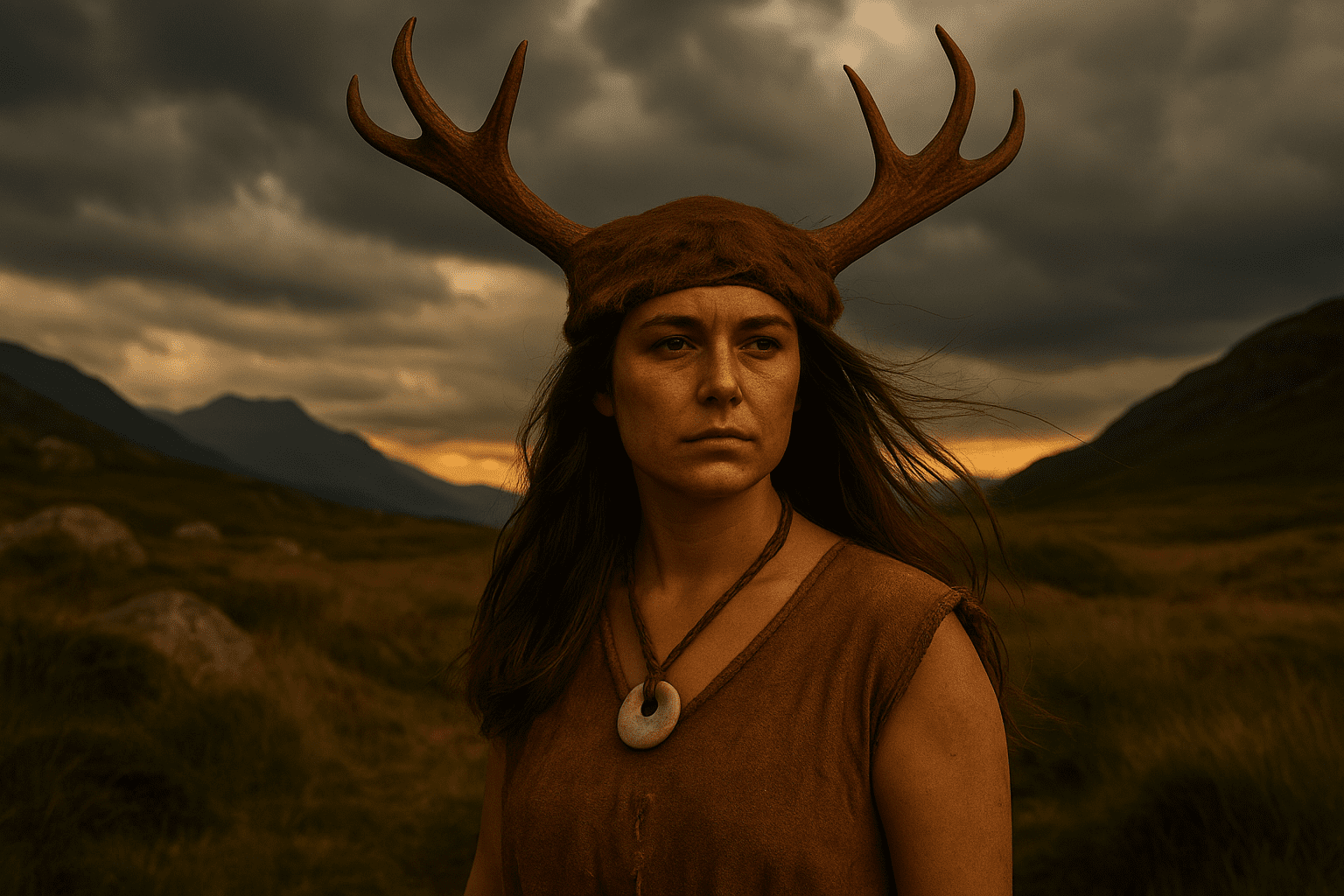
- ritual antler headdresses
- one of the earliest known houses in Britain
2. Lepenski Vir (Serbia)
- trapezoidal stone-floor houses
- fish-human hybrid sculptures
- long-term riverine settlement
3. Mount Sandel (Ireland)
4. Vedbæk (Denmark)
- cemetery with touching symbolic burials
- evidence of social complexity
Wikipedia links:
https://en.wikipedia.org/wiki/Vedb%C3%A6k
https://en.wikipedia.org/wiki/Mount_Sandel
9. Cultural Legacy & Significance
The Mesolithic is often overshadowed by the drama of the Palaeolithic and the revolution of the Neolithic, but it is absolutely vital.
It is in the Mesolithic that humanity first:
- adapts to a modern climate
- develops complex fishing technologies
- invests in long-term settlements
- experiments with land management
- forms regional cultures with distinct identities
It is a story of resilience, innovation, and intimate relationships with the changing natural world.
The Mesolithic is the chapter where humanity settles into the rhythms of the Holocene — the world we still inhabit.
10. References & Further Reading
Academic Sources
Bailey, G. (2008). “Time Perspectives, Palimpsests, and the Archaeology of Time.” Journal of Anthropological Archaeology, 27: 198–223.
Conneller, C. (2011). An Archaeology of Materials: Substantial Transformations in Early Prehistoric Europe.
Mithen, S. (2003). After the Ice: A Global Human History 20,000–5000 BC. Harvard University Press.
Accessible Resources
https://en.wikipedia.org/wiki/Mesolithic
https://www.britannica.com/event/Mesolithic-Period
https://humanorigins.si.edu/