Prehistory Climates
How Changing Environments Shaped the Human Journey Through Prehistory
Climate is the silent architect of human history — a force that shaped landscapes, food sources, migration routes, and ultimately the very rhythms of prehistoric life. Long before agriculture or monumental architecture, humans responded to shifting ice sheets, rising seas, changing forests, and new ecological opportunities.
To understand the Palaeolithic, Mesolithic, and Neolithic eras as connected chapters, we must first understand the environments in which early people lived, moved, farmed, and dreamed. Climate is the backdrop against which all human innovation, belief, and identity evolved.
The Palaeolithic: Life in an Ice Age World
For most of the Palaeolithic, humanity lived during the Pleistocene Ice Age, a long era of oscillating glacial and interglacial periods.
Glacial Landscapes
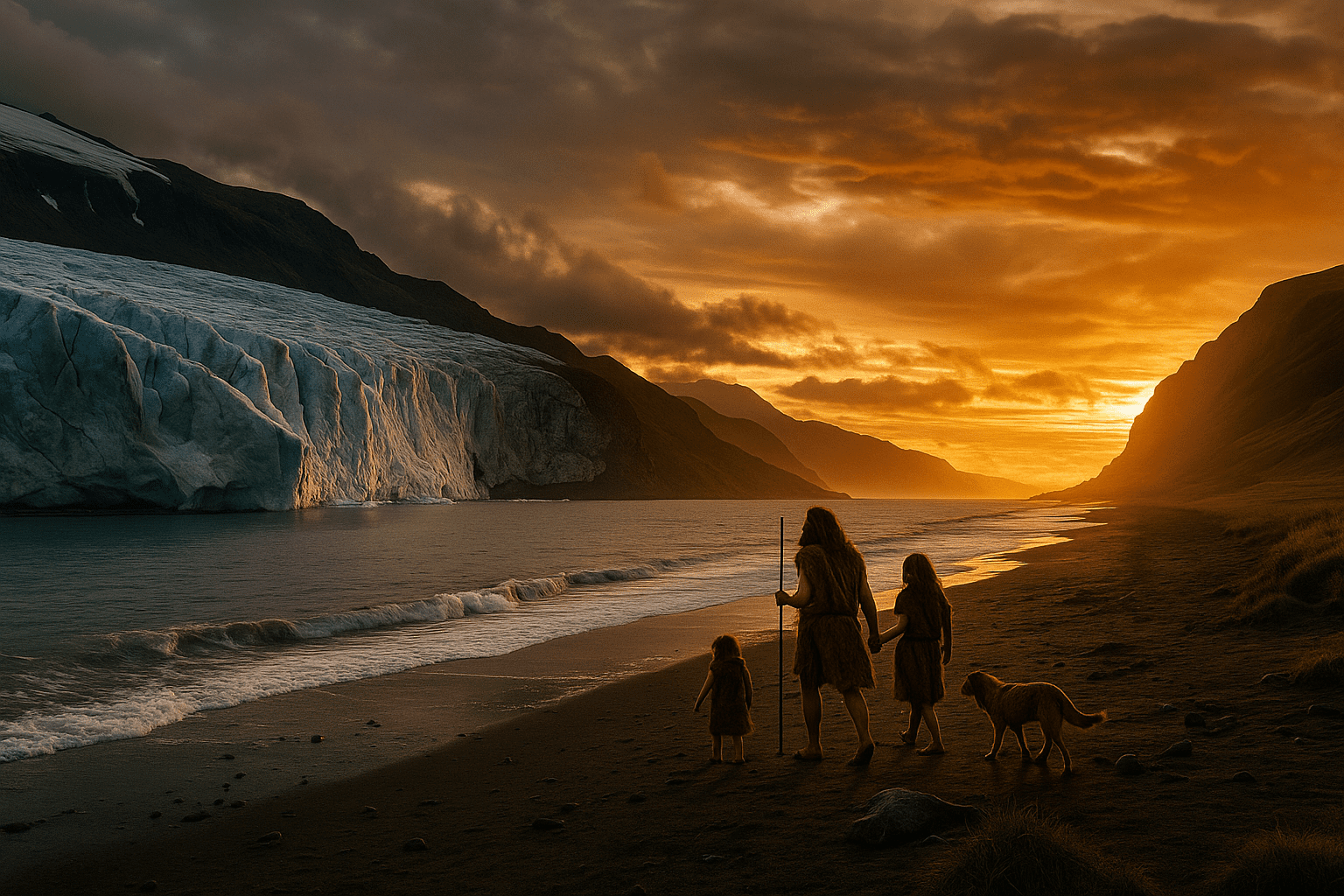
During colder phases, vast ice sheets covered northern Europe, lowering sea levels and exposing land bridges such as:
- Doggerland (connecting Britain to mainland Europe)
- The Sundaland region of Southeast Asia
- The Bering Land Bridge between Siberia and Alaska
These frozen landscapes shaped human movement and animal migrations.
Flora & Fauna
Cold-adapted species dominated:
- woolly mammoth
- woolly rhinoceros
- giant deer
- steppe bison
- cave bears
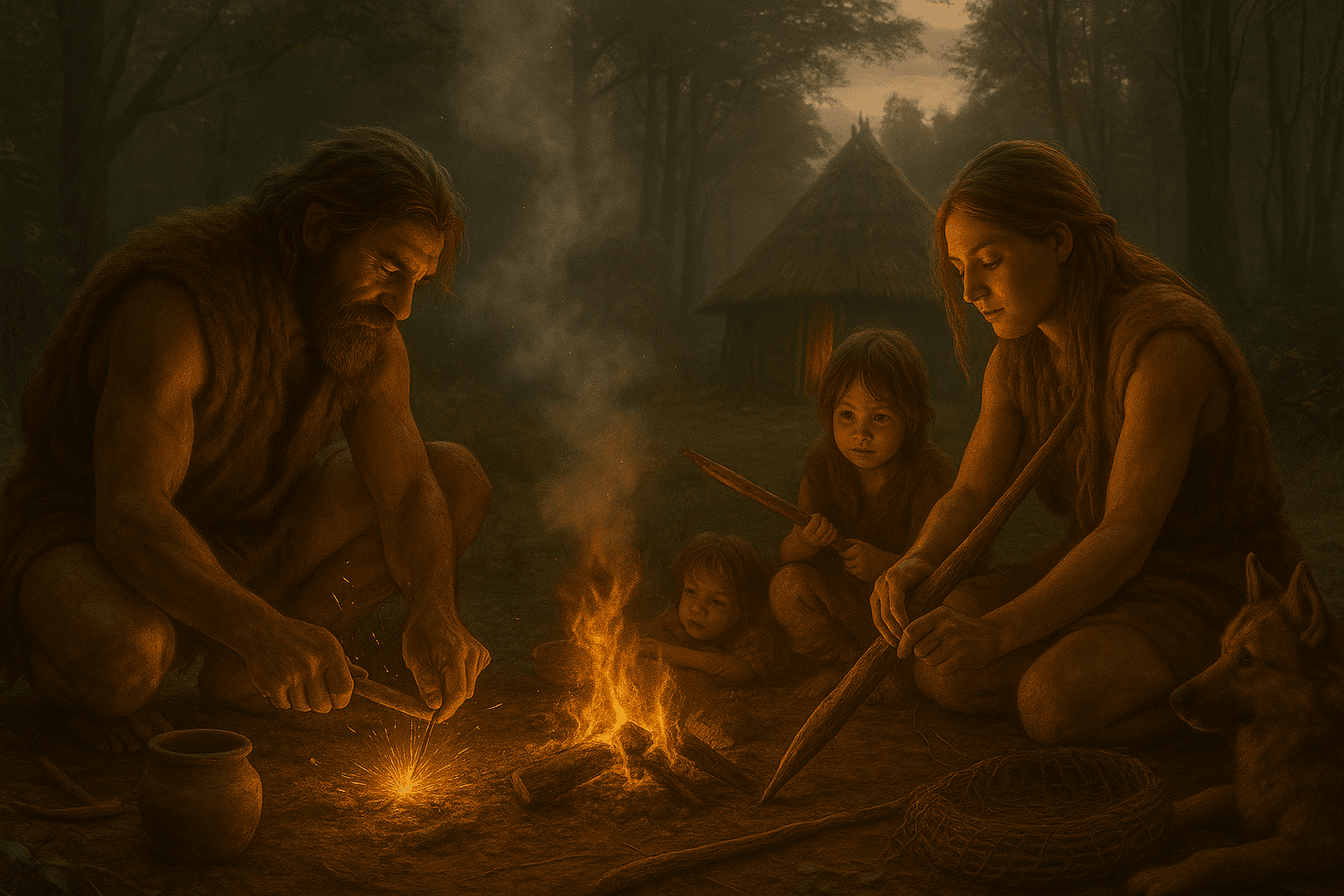
Humans adapted through clothing, shelters, fire mastery, and seasonal hunting strategies.
Warm Intervals Bring Change
Interglacial periods brought forests, rivers, and rich biodiversity, influencing:
- tool innovation
- settlement choices
- artistic expression (as seen in cave art depicting animals thriving in warmer climates)
The Mesolithic: After the Ice, a World Transformed
Around 9600 BCE, Earth entered the Holocene, a warmer, more stable climate that enabled new lifeways.
Melting Ice and Rising Seas
As glaciers retreated, sea levels rose dramatically.
- Doggerland flooded, turning Britain into an island.
- Rivers expanded.
- Coasts reshaped.
These changes forced communities to shift inland or adapt to new marine environments.
Expanding Forests
Europe transformed into vast woodland.
People responded by:
- crafting microliths ideal for hunting forest animals
- building lightweight shelters
- increasing fishing and gathering
- exploiting wetland resources (e.g., Star Carr)
Stable Climate → Social Complexity
A reliable climate allowed:
- seasonal territories
- more secure food sources
- ritualised behaviours
- early expressions of identity (beads, art, personal items)
The Mesolithic was a world of rapid environmental change, and humans met it with adaptability and creativity.
The Neolithic: Climate Stability and the Birth of Farming
The relative stability of the mid-Holocene is what made the Neolithic revolution possible.
Ideal Conditions for Agriculture
Warmer temperatures and predictable rainfall created the ecological foundation for:
- wheat and barley cultivation
- sheep, goat, cattle, and pig domestication
- permanent settlements
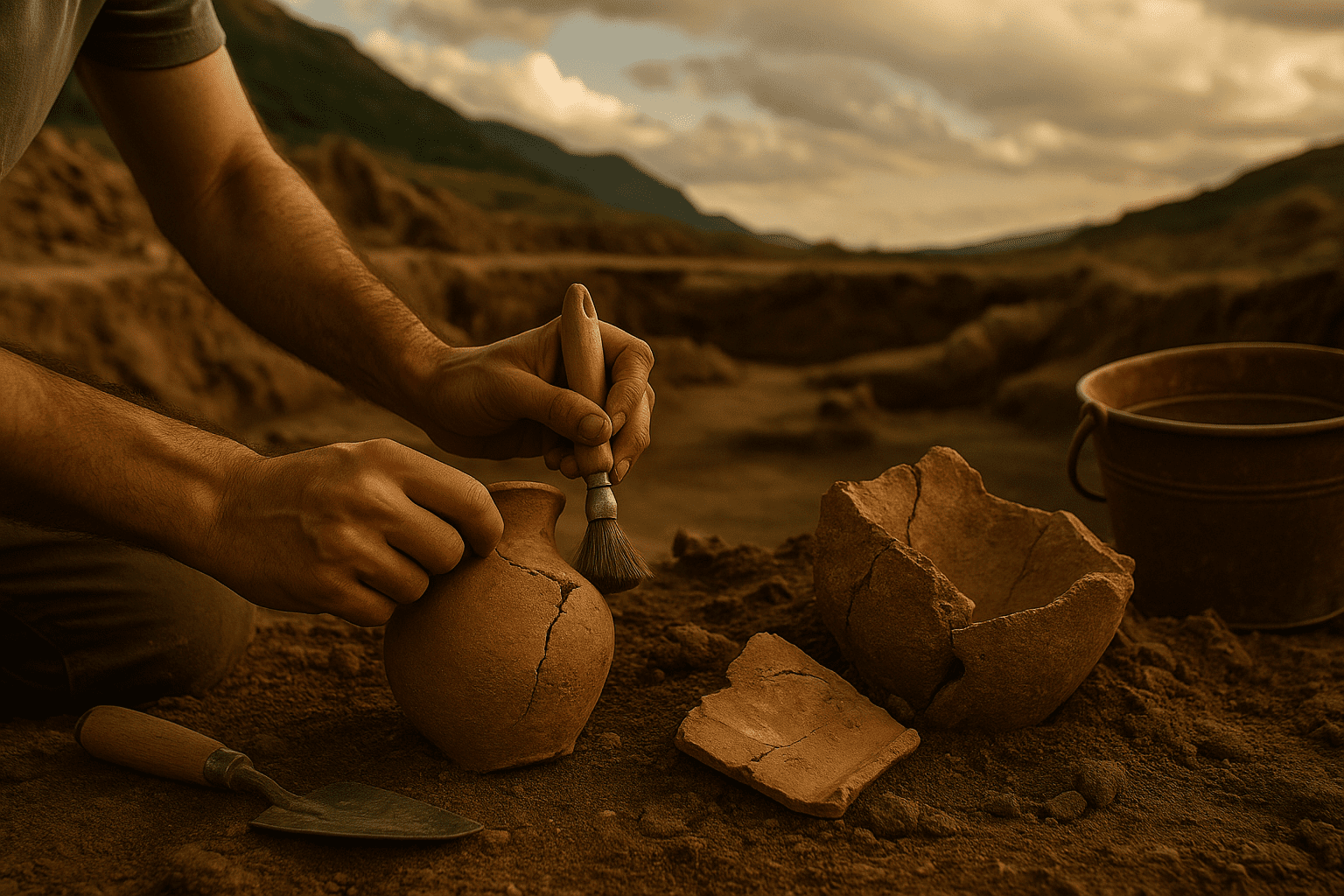
- pottery and storage systems
- long-distance exchange networks
Climate didn’t just allow farming — it encouraged it.
Landscapes of Settlement
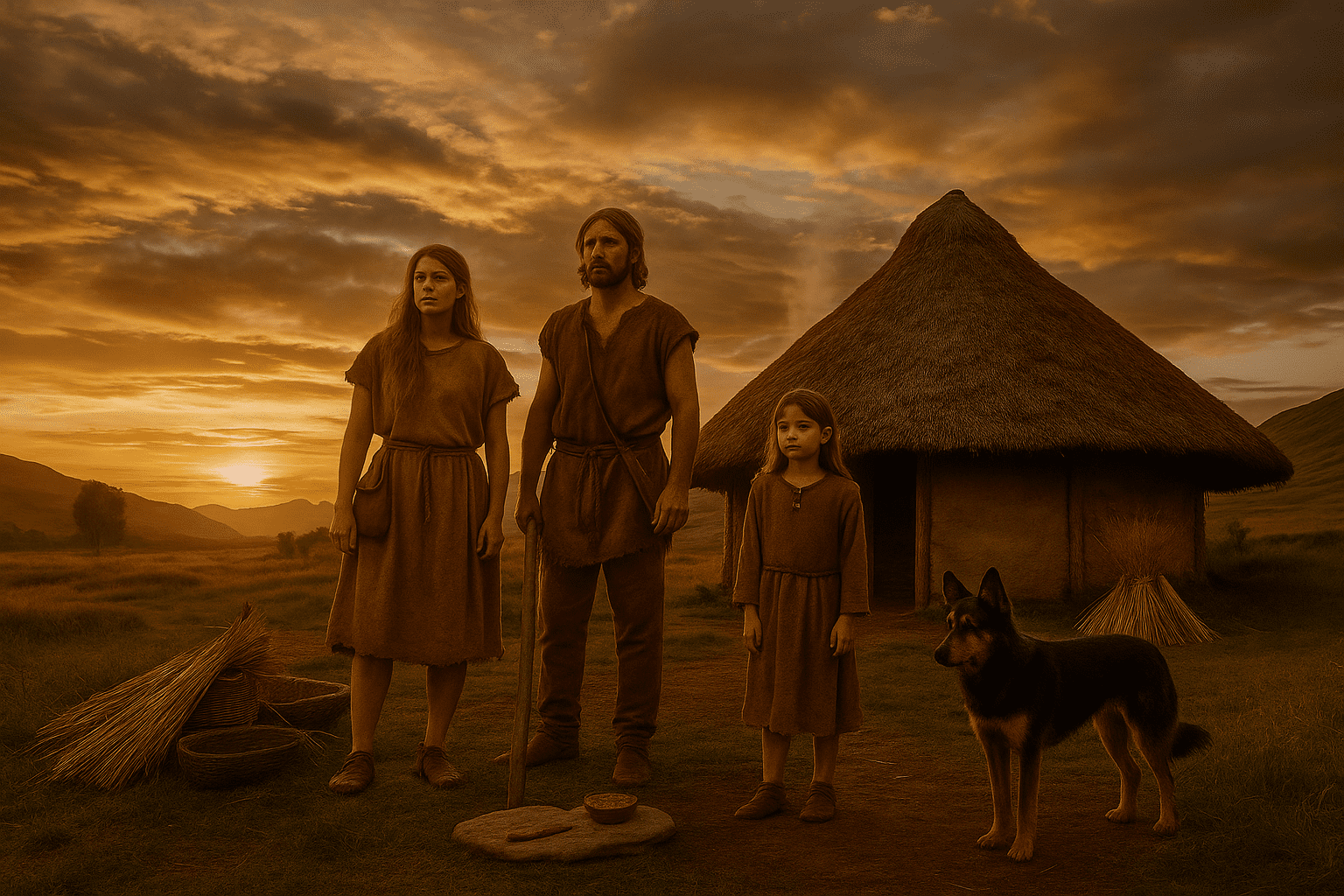
Neolithic communities thrived in:
- river valleys
- fertile plains
- coastal zones
- upland areas suitable for grazing
This led to regional diversity in architecture, burial traditions, and social organisation.
Climate & Monumental Architecture
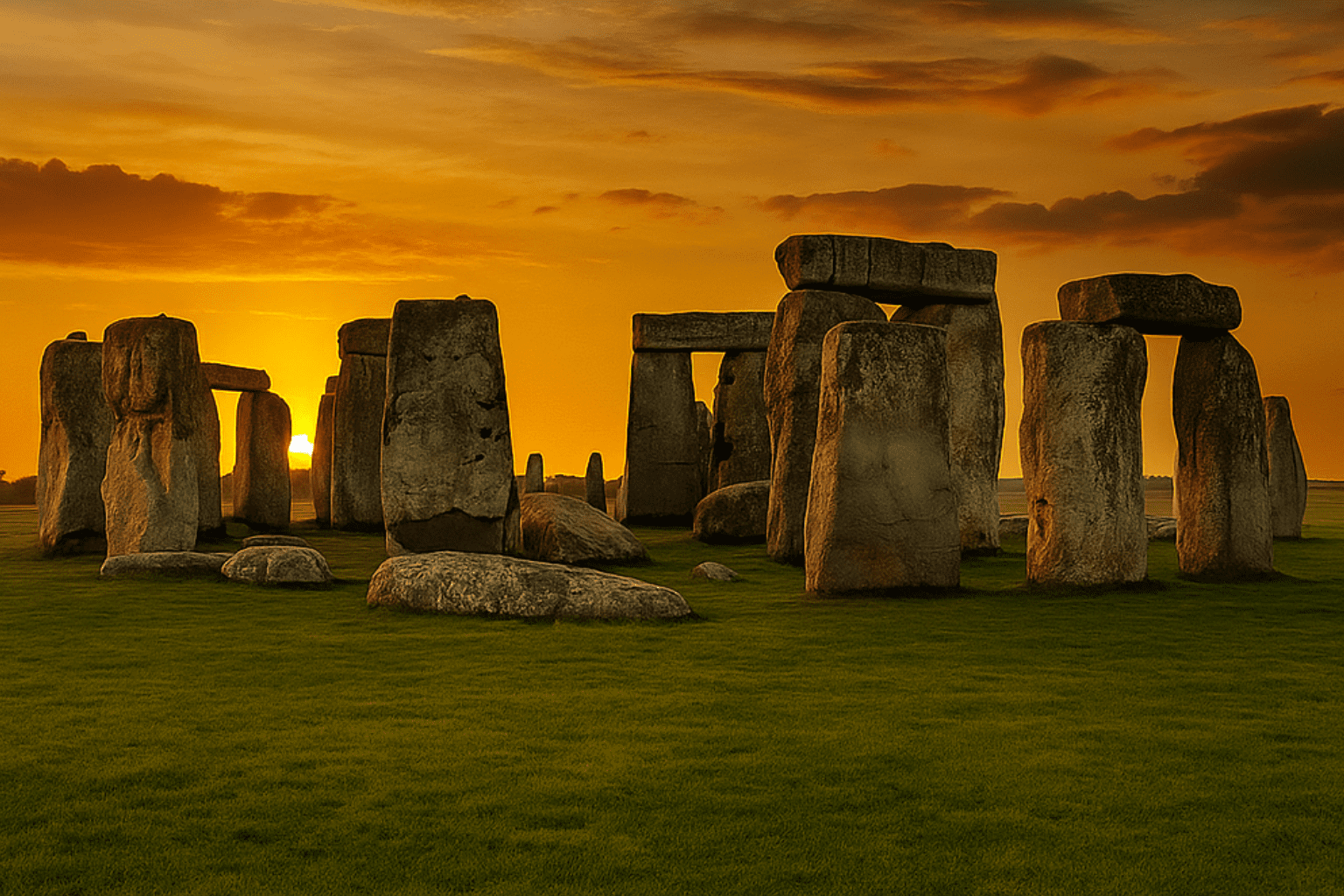
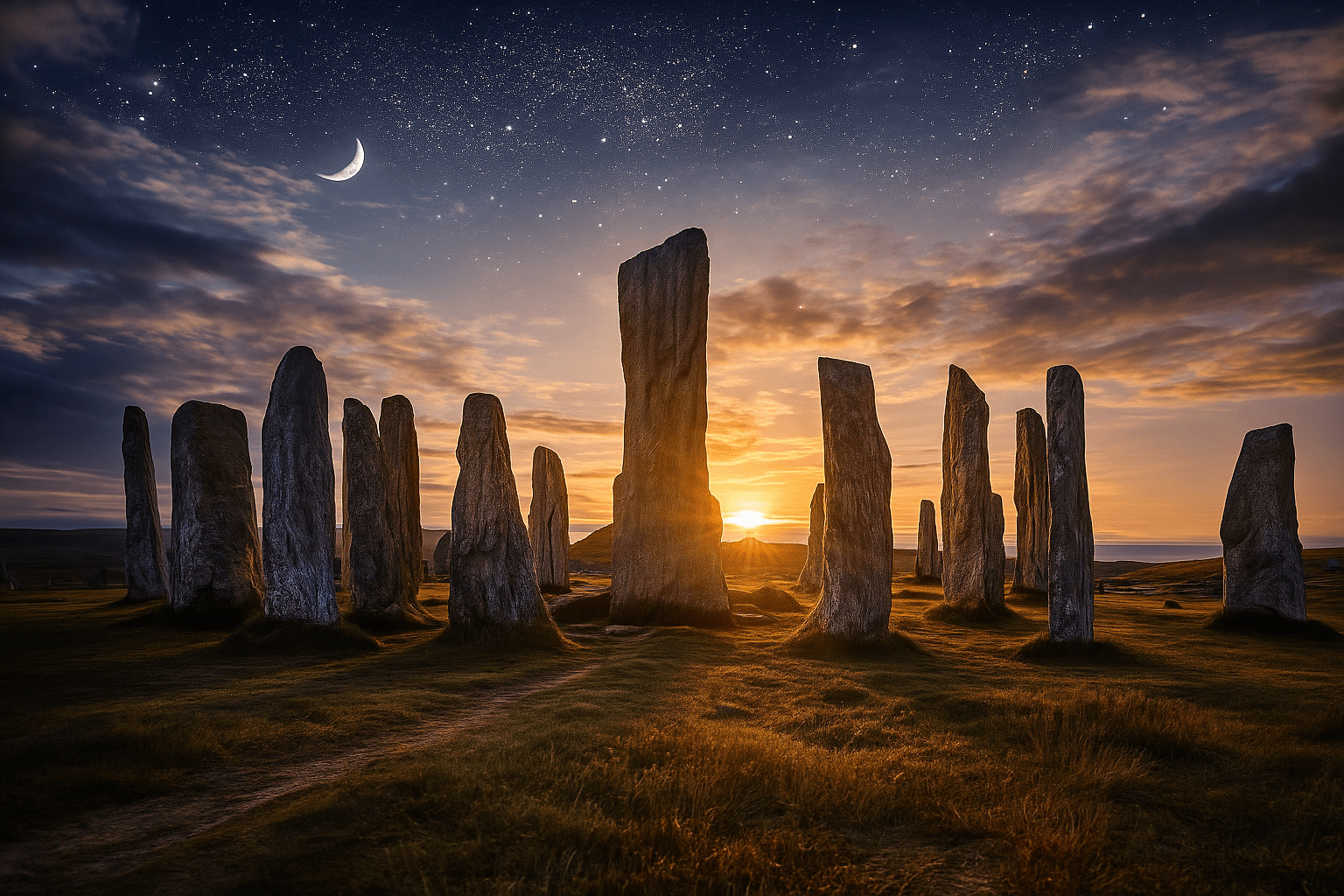
Many Neolithic monuments align with:
- solstices
- equinoxes
- lunar cycles
suggesting that people observed the sky as a way to synchronise ritual and agricultural calendars.
Climate stability allowed for planning, ceremony, and collective engineering on a scale unseen before.
Climate as a Driver of Innovation
Climate pressure pushes societies to adapt.
Palaeolithic
- Clothing & tailored hide garments
- Controlled fire
- Seasonal hunting technology
- Long-distance migration
Mesolithic
- Forest tools (microliths)
- Fishing gear
- Watercraft
- Wetland dwellings
Neolithic
- Farming tools and polished axes
- Pottery (storage for surpluses)
- Territorial boundaries
- Architecture suited to local climates
Climate is not just background — it is one of the engines of human creativity.
Climate & Belief: Understanding the World Through Nature
Environmental change influenced spirituality and cosmology.
Palaeolithic
Cave art and animal symbolism reflect a world where humans and nature were deeply intertwined.
Mesolithic
Ritual deposits in wetlands may reflect beliefs tied to water, cycles, and transformation.
Neolithic
Monuments show increasingly complex interpretations of time, the sun, the moon, and the seasons. Examples are:
- Stonehenge
- Newgrange
- Callanish
- Passage tombs across Europe
Climate determined light cycles, seasons, migration patterns — and thus shaped early sacred time.
Why Climate Matters to Prehistory
Understanding climate allows us to understand:
- why people moved
- what they ate
- how they adapted
- why certain tools emerged
- where settlements formed
- how belief systems evolved
Climate is the great connector — the thread linking each era of prehistory to the next.
📚 Suggested Reading & References
Bellwood, P. First Farmers: The Origins of Agricultural Societies.
Roberts, N. The Holocene: An Environmental History.
Mithen, S. After the Ice: A Global Human History 20,000–5000 BC.
Bradley, R. The Significance of Monuments.
Smithsonian Human Origins Program — Climate and Human Evolution.
British Museum — Prehistoric Europe Collection.