Prehistory Belief
How Early Humans Found Meaning in a Changing World
Long before temples, scriptures, or organised religions, people looked to the world around them — the sky, the animals, the landscape, the seasons — and found meaning. Belief in prehistory is not about doctrine. It is about how early humans made sense of existence, connected with each other, and navigated the mysteries of life and death.
Across the Palaeolithic, Mesolithic, and Neolithic eras, belief systems expressed themselves through art, ritual, burial, monument-building, and symbolic behaviour. These expressions help us understand not just what people did, but who they were, and how they oriented themselves within the cosmos.
Palaeolithic Belief: Art, Animals & the Spirit of the World
The earliest evidence of belief comes from the deep Palaeolithic, where symbolic thought emerges long before farming or settlement.
Cave Art: Portals Into Early Consciousness
Caves such as Lascaux, Chauvet, and Altamira contain extraordinary paintings of horses, bison, deer, lions, and abstract signs.
These artworks suggest:
- storytelling
- myth-making
- ritual performance
- cosmological knowledge
- deep emotional connection to animal worlds
The cave may have functioned as a liminal space — a place where humans crossed into symbolic or spiritual territory.
Figurines & Portable Symbols
Venus figurines, carved animals, engraved bones, and decorated tools reflect emerging ideas about:
- fertility
- identity
- representation
- magic or protection
These objects carried meaning across distances and generations.
Burial Practices
Palaeolithic burials often include:
- red ochre (symbolic pigment)
- beads and ornaments
- tools placed beside the deceased
- careful positioning of bodies
These practices imply beliefs about the afterlife, ancestors, and the importance of remembrance.
Mesolithic Belief: Water, Transformation & Ritual Landscapes
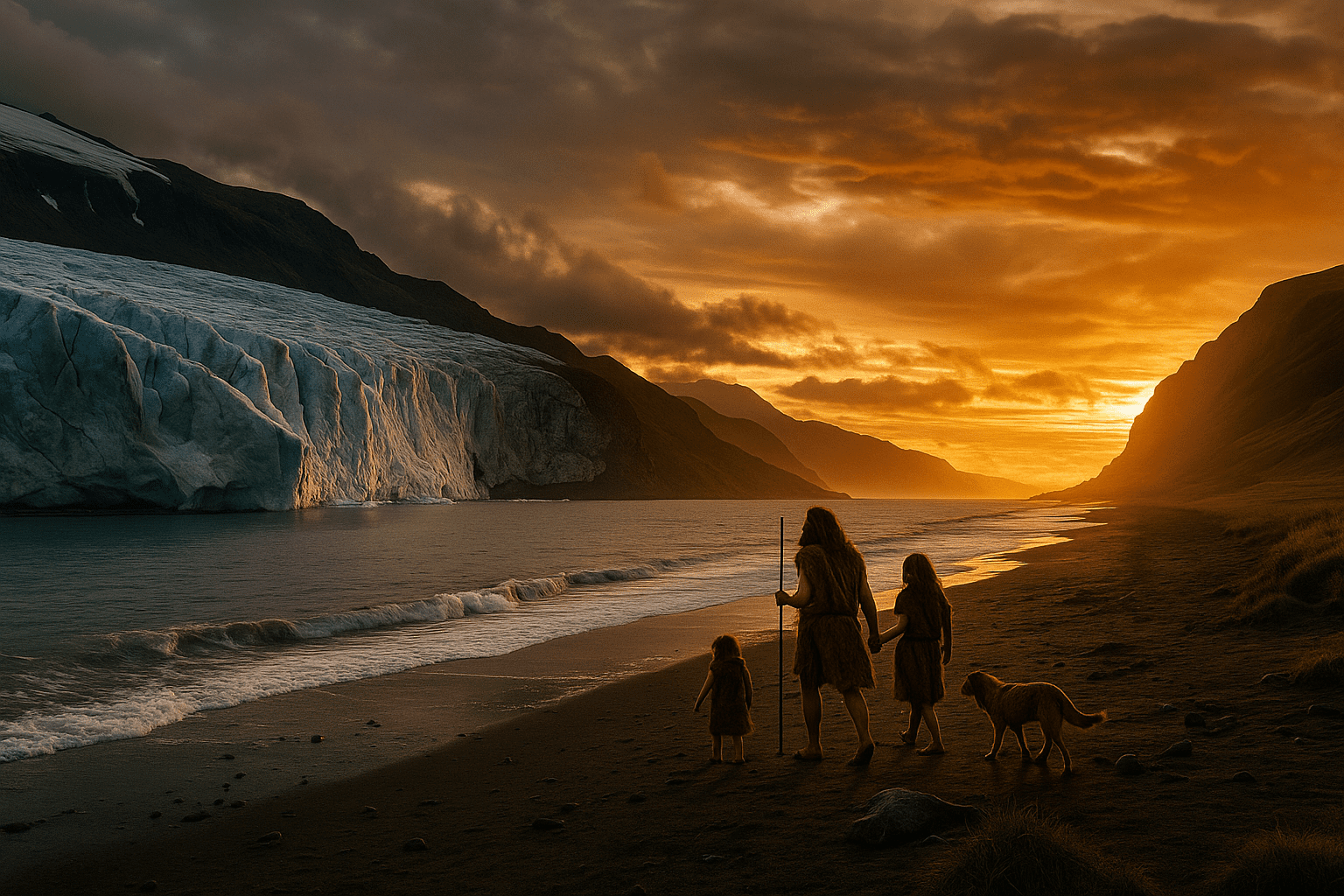
After the Ice Age, belief systems evolved alongside new environments.
Wetland Rituals
Across Europe, Mesolithic people deposited into lakes, rivers, and bogs:
- antler frontlets
- animal bones
- tools
- decorated objects
These offerings suggest a worldview where water functioned as a boundary between realms — a place of transformation, renewal, and ancestral connection.
Personal Adornment & Identity
Beads, pendants, tooth necklaces, and body painting indicate expressions of:
- group belonging
- status
- protection
- symbolic storytelling
Spiritual identity became more individualised and community-specific.
Shamans & Ritual Specialists
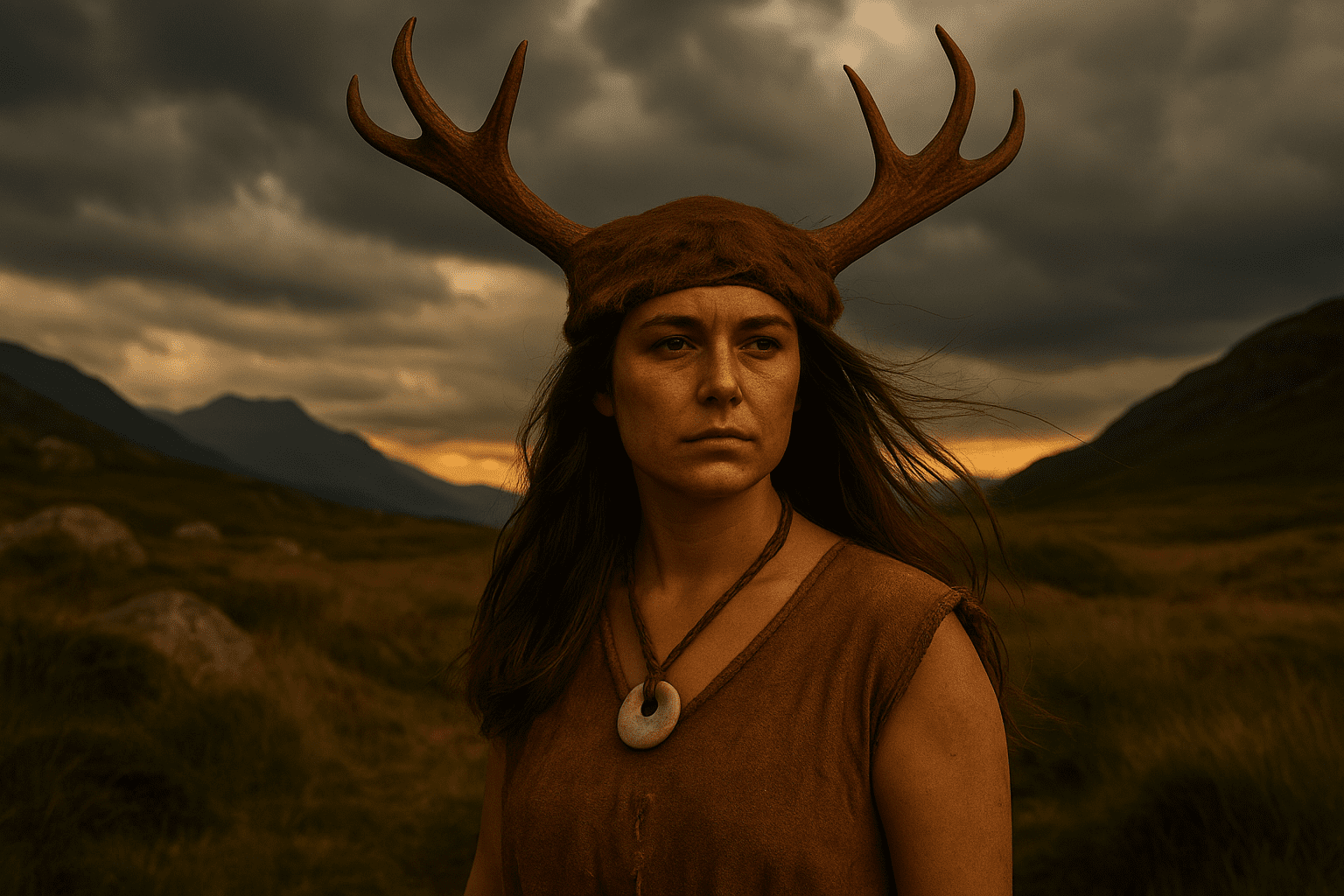
Sites like Star Carr reveal antler headdresses that may have been used in:
- trance rituals
- ceremonies
- performances
- spiritual mediation
These objects hint at early mediators between the human and non-human worlds.
Neolithic Belief: Monumentality & the Sacred Landscape
The Neolithic ushers in a profound shift in belief — from fluid hunter-gatherer cosmologies to anchored, architectural expressions of sacred time.
Burial Architecture: Honouring the Dead
Communities built elaborate tombs:
- passage graves
- long barrows
- chambered cairns
These structures served as ancestral houses, ritual centres, and focal points for community memory.
Solar Alignments & Cosmic Order
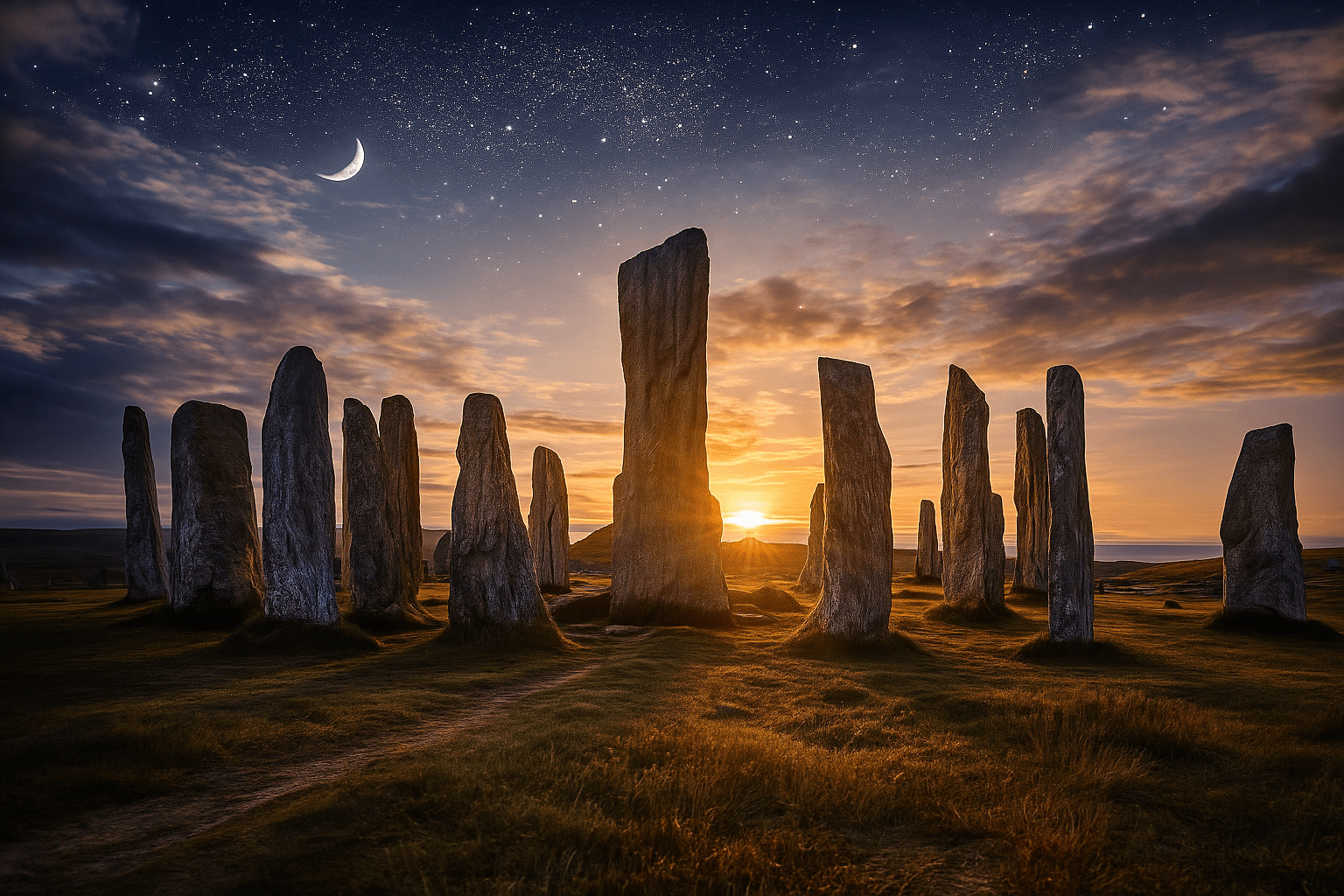
Many Neolithic monuments align with the sun and moon:
- Newgrange captures the rising sun at winter solstice
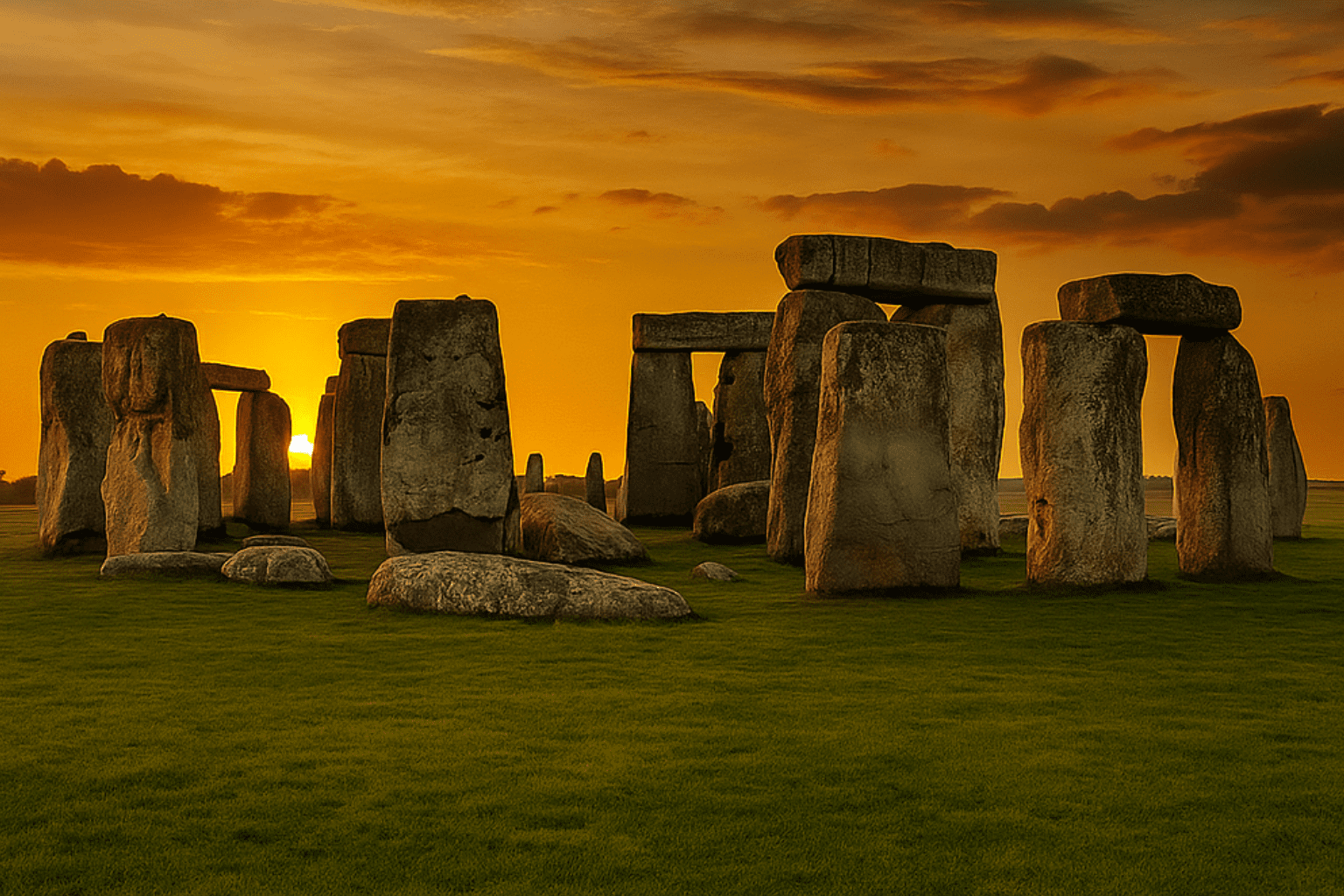
- Stonehenge frames the midsummer sunrise and midwinter sunset
- Callanish relates to lunar cycles
- Passage tombs align with equinox light patterns
This suggests an advanced understanding of:
- cycles of time
- agricultural seasons
- celestial symbolism
- cosmological balance
The sky became a ritual calendar.
Ritual Gathering & Communal Identity
Large ceremonial sites — causewayed enclosures, henges, stone circles — indicate shared belief systems expressed through:
- feasts
- processions
- seasonal gatherings
- rites of renewal
- ancestor veneration
Belief in the Neolithic was not passive; it was performed, embodied, and experienced collectively.
Belief as a Thread Across Time
Across prehistory, belief systems evolve, but their core themes remain remarkably consistent:
- connection with nature
- honouring the dead
- representing the unseen
- marking time through ritual
- expressing identity and belonging
- seeking meaning in change and uncertainty
Belief — in all its forms — is the spiritual archaeology of humanity.
It shows us that even in the earliest chapters of our story, people were imaginative, emotional, and deeply attuned to the rhythms of the earth and sky.
📚 Suggested Reading & References
Bradley, R. Ritual and Domestic Life in Prehistoric Europe.
Lewis-Williams, D. The Mind in the Cave: Consciousness and the Origins of Art.
Whittle, A. The Archaeology of People: Dimensions of Neolithic Life.
Bahn, P. Archaeology: Theories, Methods and Practice.
British Museum — Prehistoric Belief & Ritual Collections.
Smithsonian Human Origins Program — Symbolism & Ritual.