
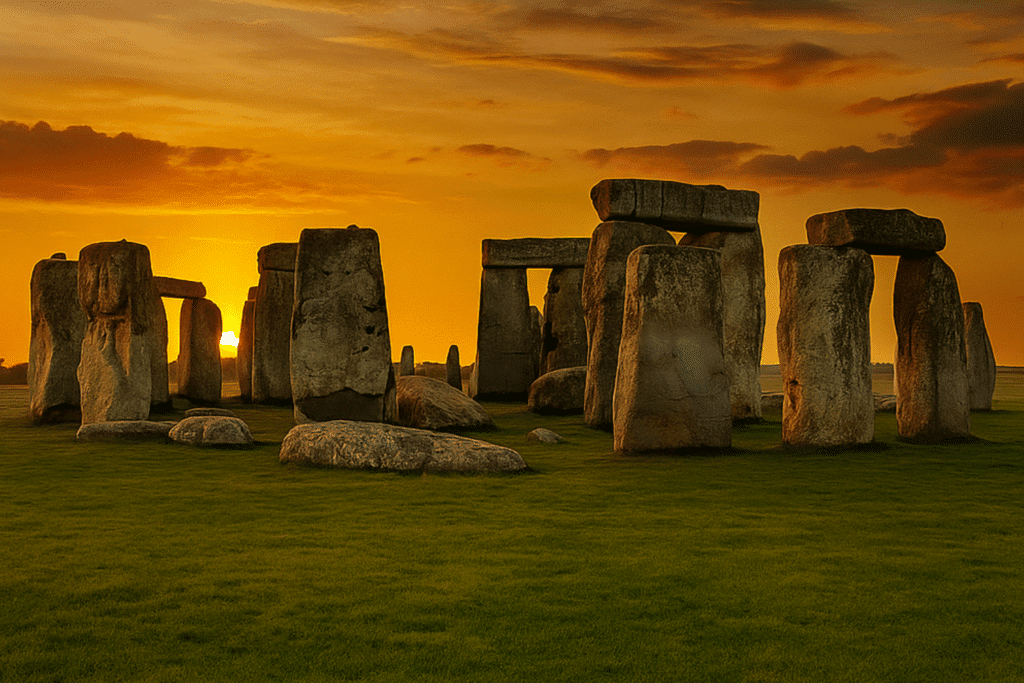
Prehistory covers the vast span of human existence before written records. It includes the evolution of our species, the development of tools, the shift from nomadic life to farming, the building of stone monuments, and the formation of the first settled communities. This article offers a detailed, accessible introduction to the Palaeolithic, Mesolithic, and Neolithic eras, placing Britain and Western Europe within the wider story of global human development.
Posts by Kathleen
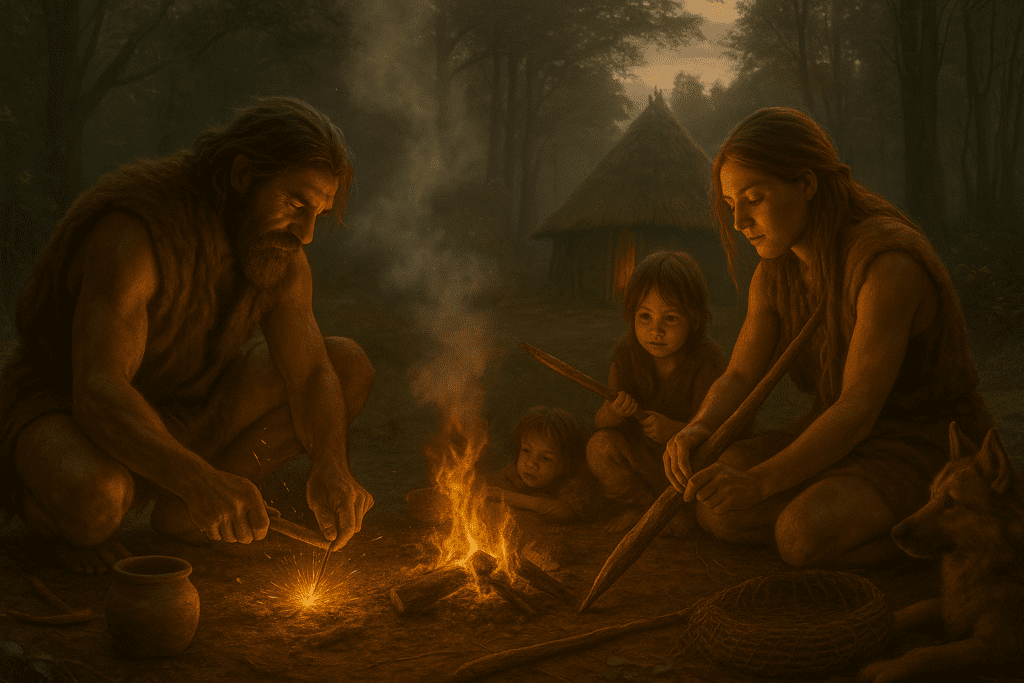
Prehistory covers the vast span of human existence before written records. It includes the evolution of our species, the development of tools, the shift from nomadic life to farming, the building of stone monuments, and the formation of the first settled communities. This article offers a detailed, accessible introduction to the Palaeolithic, Mesolithic, and Neolithic eras, placing Britain and Western Europe within the wider story of global human development.
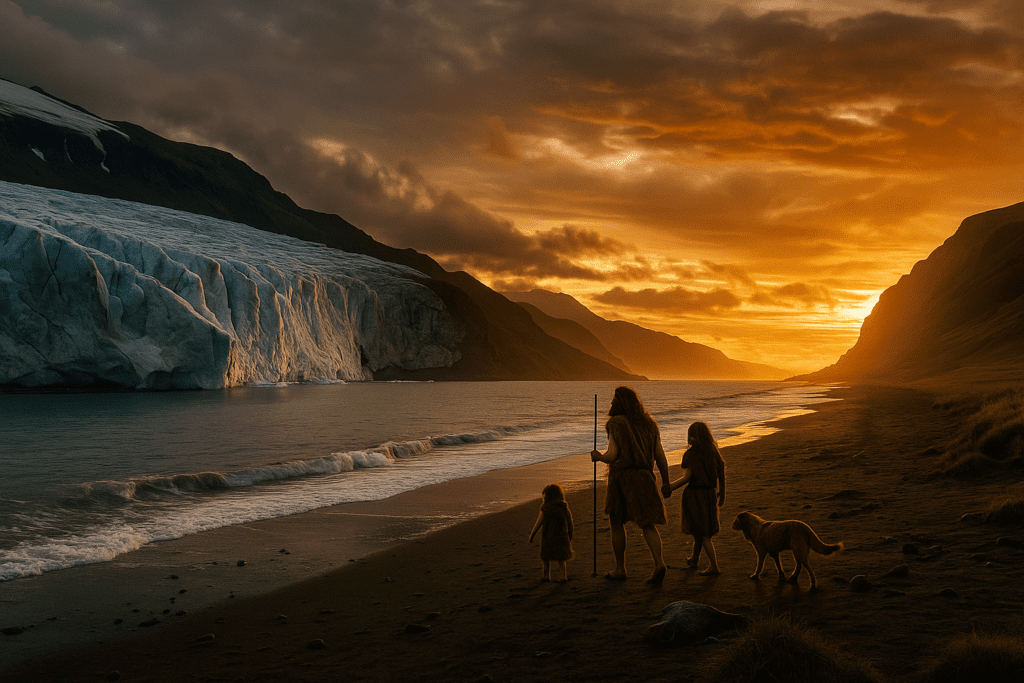
Prehistory covers the vast span of human existence before written records. It includes the evolution of our species, the development of tools, the shift from nomadic life to farming, the building of stone monuments, and the formation of the first settled communities. This article offers a detailed, accessible introduction to the Palaeolithic, Mesolithic, and Neolithic eras, placing Britain and Western Europe within the wider story of global human development.
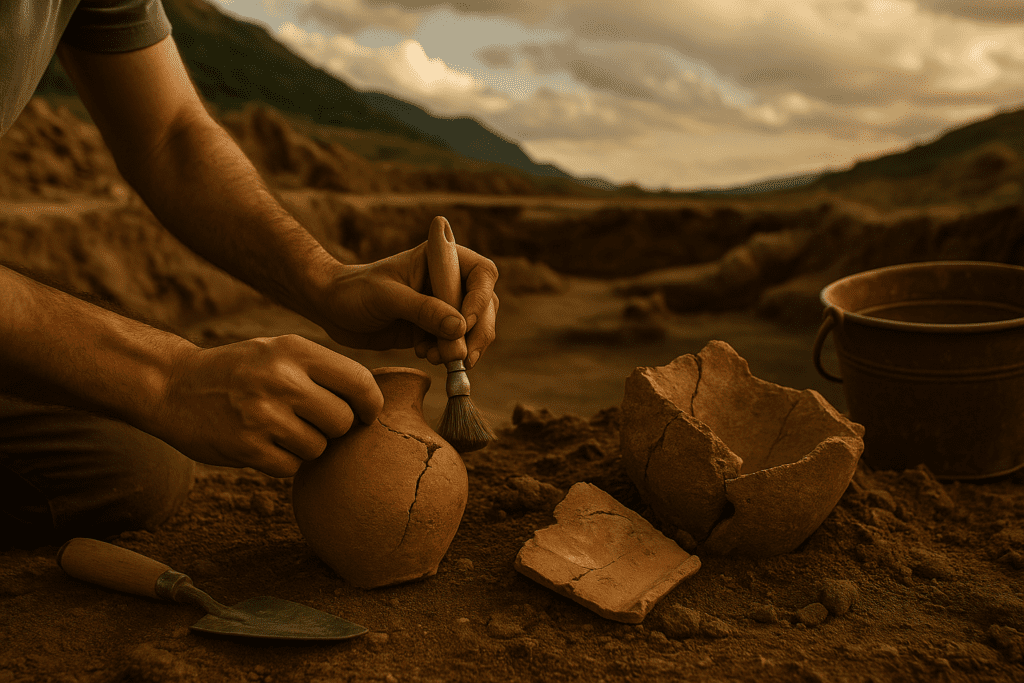
Prehistory covers the vast span of human existence before written records. It includes the evolution of our species, the development of tools, the shift from nomadic life to farming, the building of stone monuments, and the formation of the first settled communities. This article offers a detailed, accessible introduction to the Palaeolithic, Mesolithic, and Neolithic eras, placing Britain and Western Europe within the wider story of global human development.
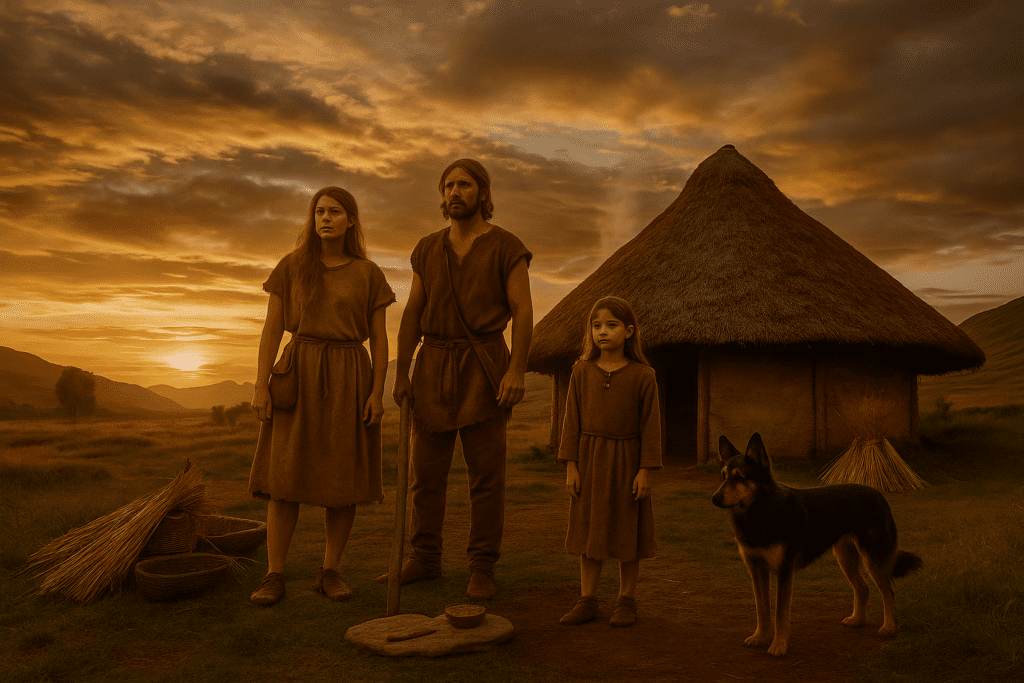
Understanding Neolithic Monuments Through Landscape, Light, and Time. To understand the Neolithic world is to understand a universe measured not in years, but in shadows, seasons, and stone. The Neolithic period marked one of the most profound changes in human history. Communities across Europe and the Near East shifted from mobile hunting and gathering to settled farming societies. With this change came new relationships between people, place, and the cosmos. The land was no longer simply a resource — it became a stage on which ritual, identity, memory, and celestial cycles converged.
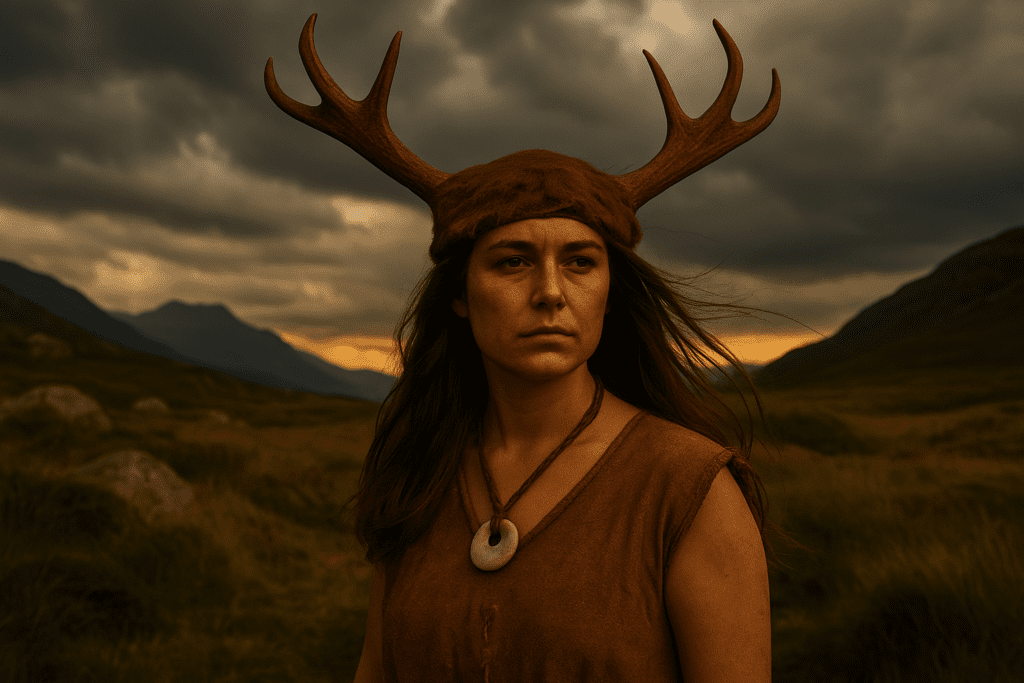
Understanding Neolithic Monuments Through Landscape, Light, and Time. To understand the Neolithic world is to understand a universe measured not in years, but in shadows, seasons, and stone. The Neolithic period marked one of the most profound changes in human history. Communities across Europe and the Near East shifted from mobile hunting and gathering to settled farming societies. With this change came new relationships between people, place, and the cosmos. The land was no longer simply a resource — it became a stage on which ritual, identity, memory, and celestial cycles converged.
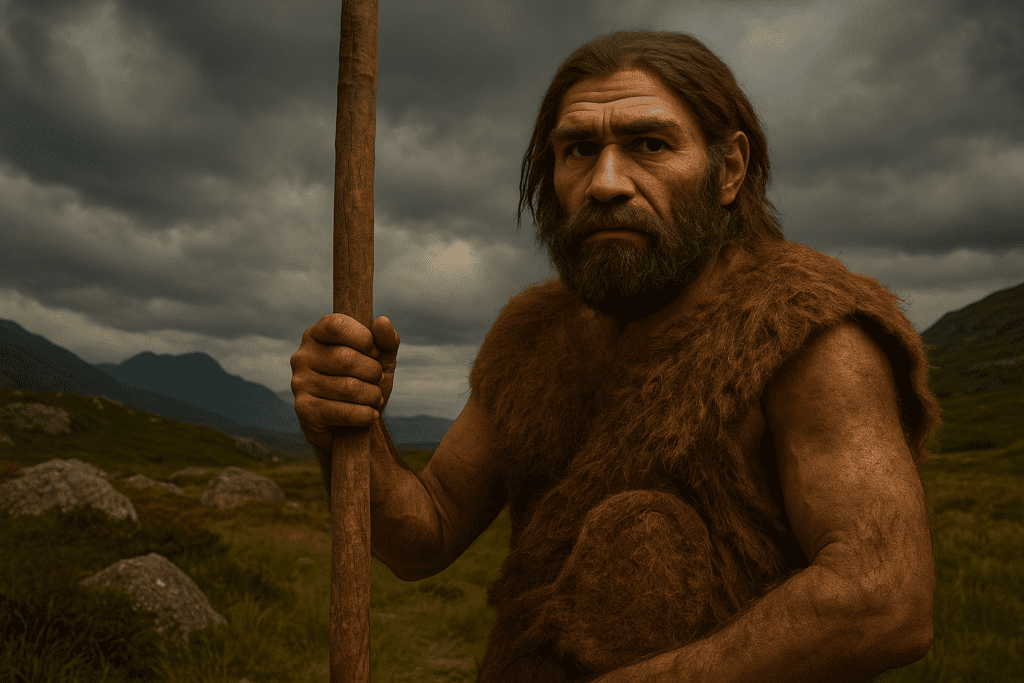
Understanding Neolithic Monuments Through Landscape, Light, and Time. To understand the Neolithic world is to understand a universe measured not in years, but in shadows, seasons, and stone. The Neolithic period marked one of the most profound changes in human history. Communities across Europe and the Near East shifted from mobile hunting and gathering to settled farming societies. With this change came new relationships between people, place, and the cosmos. The land was no longer simply a resource — it became a stage on which ritual, identity, memory, and celestial cycles converged.
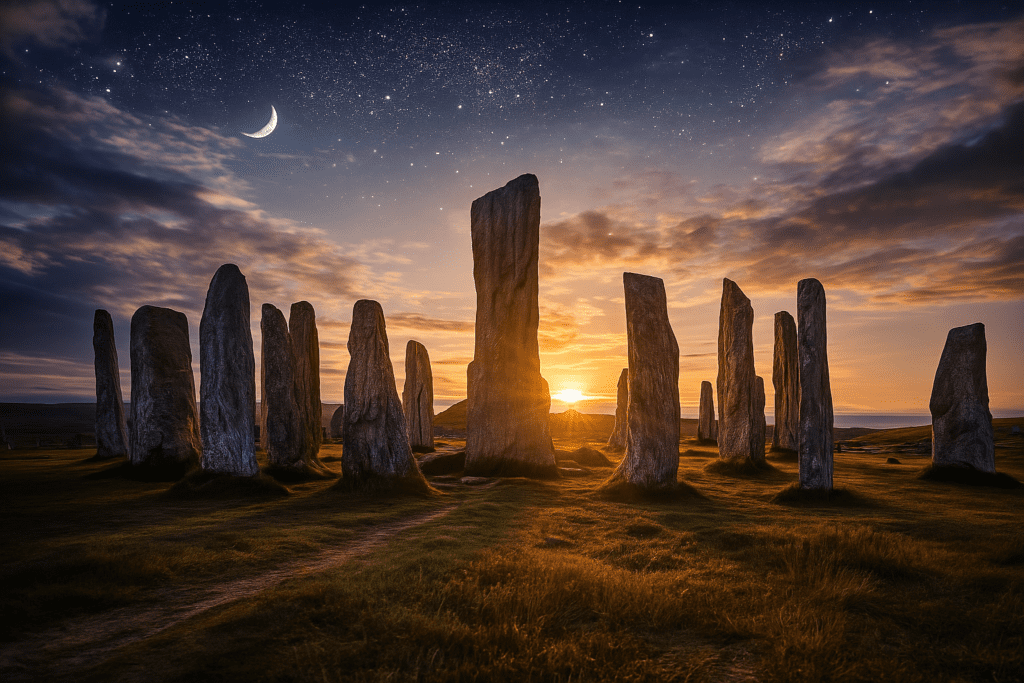
Understanding Neolithic Monuments Through Landscape, Light, and Time. To understand the Neolithic world is to understand a universe measured not in years, but in shadows, seasons, and stone. The Neolithic period marked one of the most profound changes in human history. Communities across Europe and the Near East shifted from mobile hunting and gathering to settled farming societies. With this change came new relationships between people, place, and the cosmos. The land was no longer simply a resource — it became a stage on which ritual, identity, memory, and celestial cycles converged.
Prehistory covers the vast span of human existence before written records. It includes the evolution of our species, the development of tools, the shift from nomadic life to farming, the building of stone monuments, and the formation of the first settled communities. This article offers a detailed, accessible introduction to the Palaeolithic, Mesolithic, and Neolithic eras, placing Britain and Western Europe within the wider story of global human development.
Editorial Priniciple Related Content Related Link Related Link Related Link Related Link Related Link Related Link Articles Stones, Stars & Nature Read More Understanding Prehistory Read More Editorial Principle Read More Mission & Values Read More Pages Art & Artefacts Read More Collections Read More Virtual Tours Read More Podcasts Read More Documentaries Read More Archaeology Read More About This Site Read More Mythology Read More Creation & Virtue Read More Articles Read More Eras & Themes Read More Prehistory Read More Kings & Queens of Britain and Scotland Read More Resources Read More Timelines Read More Home Read More Article Index Read More Catagories Eras (2) Project (2) Blending Evidence With Reflective Insight How we approach truth, interpretation, and the living landscape of history Introduction Every article is built on a simple but powerful editorial principle: we combine verified historical evidence with thoughtful, reflective commentary. This approach recognises that history is not only a record of events — it is also a conversation between the past and the present, shaped by new discoveries, evolving interpretations, and the questions we bring to it. Why Evidence Matters Historical writing must be anchored in what can be demonstrated. For this reason, every piece begins with: Primary sources where available (documents, artefacts, archaeological findings). Peer-reviewed research from respected scholars. Cross-referencing between multiple independent sources. Clear lineage of information, especially where dates, genealogies, or timelines are concerned. This ensures the foundation of each article is reliable, transparent, and academically credible. Why Reflection Also Matters Evidence alone cannot answer every question. Gaps exist. Cultures interpret events differently. Human experience is layered, emotional, and often unrecorded. Reflective commentary allows us to explore: What historical events meant to the people who lived them. How stories evolve across generations. Why certain events are remembered, forgotten, or mythologised. Connections between ancestry, land, and identity. This reflective layer does not replace evidence — it expands upon it, turning historical data into meaningful understanding. Balancing Fact and Interpretation Our editorial principle ensures a clear separation between: Verified information (supported by citations), and Interpretation (clearly identified as analysis, commentary, or thematic reflection). This transparency gives readers confidence while preserving the richness of historical inquiry. How This Principle Shapes the Website This combined approach influences how we write about: Ancient civilisations Genealogical records Migration patterns War, politics, and social change Mythology and cultural symbolism Local histories and family archives Prehistoric landscapes and archaeological findings It allows complex topics to be presented in a way that is both rigorous and human. Why This Matters for Readers Readers benefit from: Clear, digestible historical explanations Context that makes events meaningful Insight into how the past shapes the present An inclusive narrative that honours both data and lived experience This principle encourages curiosity and invites readers to develop their own understanding rather than passively absorb information. A Note on Accuracy and Ongoing Learning That being said, history is an ever-evolving discipline. Despite my commitment to verified evidence, careful research, and responsible interpretation, I acknowledge that mistakes can happen. New findings emerge, records are corrected, and sometimes long-held assumptions must be revised. If you notice anything on this site that appears incorrect — and you can provide clear evidence, sources, or an alternative interpretation — I warmly invite you to contact me. Constructive corrections not only strengthen the work, they enrich the broader historical conversation. Together, we can ensure this project remains accurate, transparent, and continually improving. Conclusion History is both a record and a resonance — facts supported by evidence, and stories shaped by the human experience. By blending the two, we honour the depth of the past while remaining grounded in what is verifiably true. This is the foundation of every article on this site:evidence, integrity, and thoughtful reflection. Next Post