
METAL, TRADE, AND THE BIRTH OF CIVILISATION

The Bronze Age

The Bronze Age marks humanity’s first truly interconnected world. 
 

Bronze Age refers to the period when human societies first began widespread use of bronze—an alloy of copper and tin—transforming tools, weapons, trade, and social organisation. Spanning roughly 3300–1200 BCE, the Bronze Age marks a profound turning point in human history.

Unlike earlier prehistoric periods, Bronze Age communities were increasingly interconnected. Long-distance trade networks linked distant regions, early cities emerged as centres of power and belief, and new forms of hierarchy, governance, and ritual took shape. Writing appears in some cultures, while others remain without written records but are deeply embedded within global exchange systems.
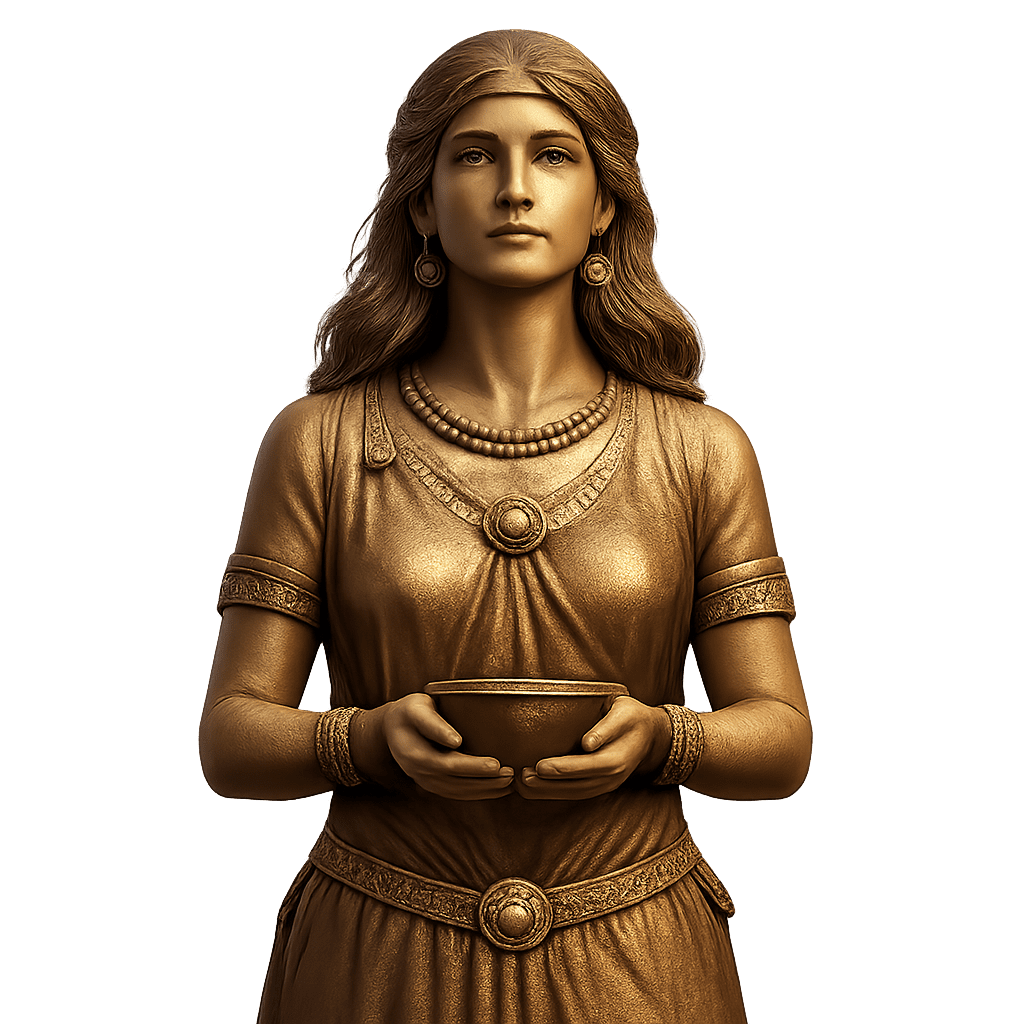
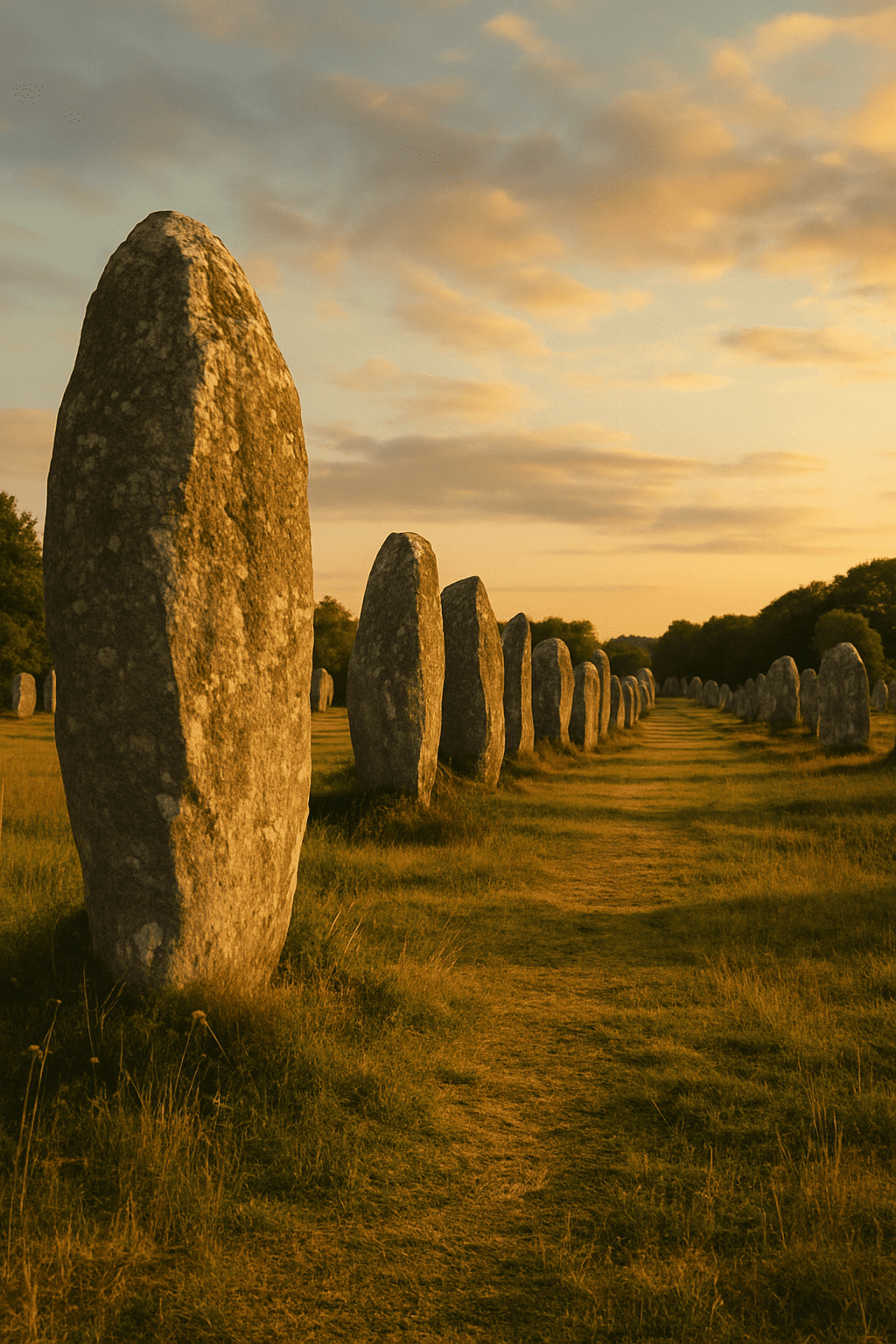
The Bronze Age stands as a threshold era bridging the deep past of prehistory with the recorded histories of later civilisations. It is the moment when technology, economy, belief, and identity begin to scale beyond the local, laying the foundations for the ancient world.

Early Bronze Age

c. 3300 – 2100 BCE

Middle Bronze Age

c. 2100 – 1550 BCE

Late Bronze Age

c. 1550 – 1200 BCE

Foundations of Bronze Age Study 

Key Concepts in the Bronze Age

Understanding the Bronze Age goes beyond metal alone. This era marks a profound transformation in how societies organised power, trade, belief, and daily life. These four pillars introduce the essential frameworks scholars use to interpret the rise of early complex civilisations across interconnected worlds.

Archaeology

Learn more →

The Bronze Age is revealed through settlements, burials, hoards, and monumental architecture, alongside tools and ornaments made of bronze, gold, and stone. Archaeology allows us to trace expanding trade networks, social hierarchy, warfare, and craft specialisation. Through material remains, we uncover how Bronze Age communities structured their societies and interacted across vast distances.


Climate

Learn more →

Climate played a critical role in shaping Bronze Age societies. Shifts in temperature, rainfall, and sea levels influenced agricultural productivity, migration, and settlement patterns. Periods of stability supported population growth and long-distance trade, while environmental stress contributed to conflict, movement, and eventual societal collapse in some regions. Climate history helps explain both flourishing and fragility.

Bronze Age Icon 07

Innovation

Learn more →

The development of bronze metallurgy transformed economies and social systems. Advances in mining, alloying, transport, agriculture, and seafaring enabled unprecedented connectivity between cultures. Innovation in the Bronze Age extended beyond tools to include writing systems, administrative practices, urban planning, and warfare — reshaping how power and knowledge were organised.

Bronze Age Icon 08

Belief

Learn more →

Bronze Age belief systems became increasingly complex, expressed through ritual landscapes, temples, iconography, and burial practices. Gods, ancestors, and cosmic forces were woven into daily life and political authority. Shared religious ideas often travelled alongside trade routes, revealing how belief helped bind communities together and legitimise emerging elites.

To understand the Bronze Age world is to understand a landscape shaped by movement — of metals, people, ideas, and power.

The Bronze Age marked the emergence of long-distance trade networks that connected communities across Europe, the Mediterranean, and the Near East. Copper, tin, gold, and amber travelled vast distances, linking regions that had never before been so closely intertwined. Alongside materials moved technologies, beliefs, artistic styles, and political ideas.

Settlements grew more complex, hierarchies became more visible, and control over resources increasingly defined social power. Rivers, coastlines, and mountain passes became vital corridors of exchange, transforming geography into infrastructure. The Bronze Age world was not isolated or static — it was dynamic, networked, and increasingly interdependent.

This web of connection fostered innovation and prosperity, but it also introduced fragility. As societies became reliant on distant resources and alliances, disruption anywhere along the network could have far-reaching consequences.

* Kristiansen, K., & Larsson, T. (2005). The Rise of Bronze Age Society: Travels, Transmissions and Transformations. Cambridge: Cambridge University Press.
* Harding, A. (2013). The Bronze Age in Europe. Cambridge: Cambridge University Press.
* Sherratt, A., & Sherratt, S. (1991). “From Luxuries to Commodities: The Nature of Mediterranean Bronze Age Trading Systems.” World Archaeology, 23(3), 351–384.
* Cline, E. H. (2014). 1177 B.C.: The Year Civilization Collapsed. Princeton: Princeton University Press.
* Broodbank, C. (2013). The Making of the Middle Sea. Oxford: Oxford University Press.

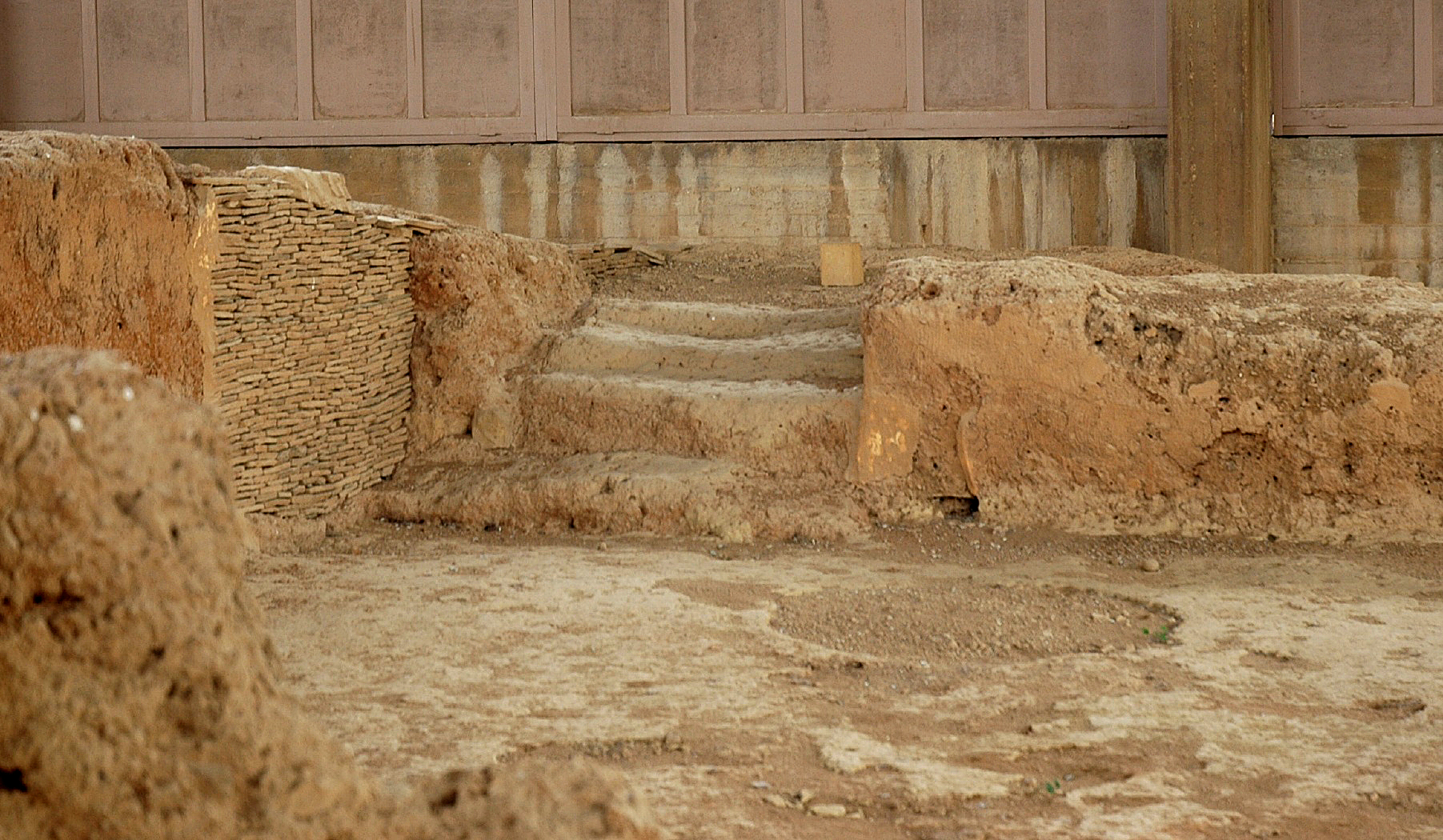
House of the TilesLerna, Greece, c. 2500 BCE
Pyramid of DjoserSaqqara, Egypt, c. 2670 BCE
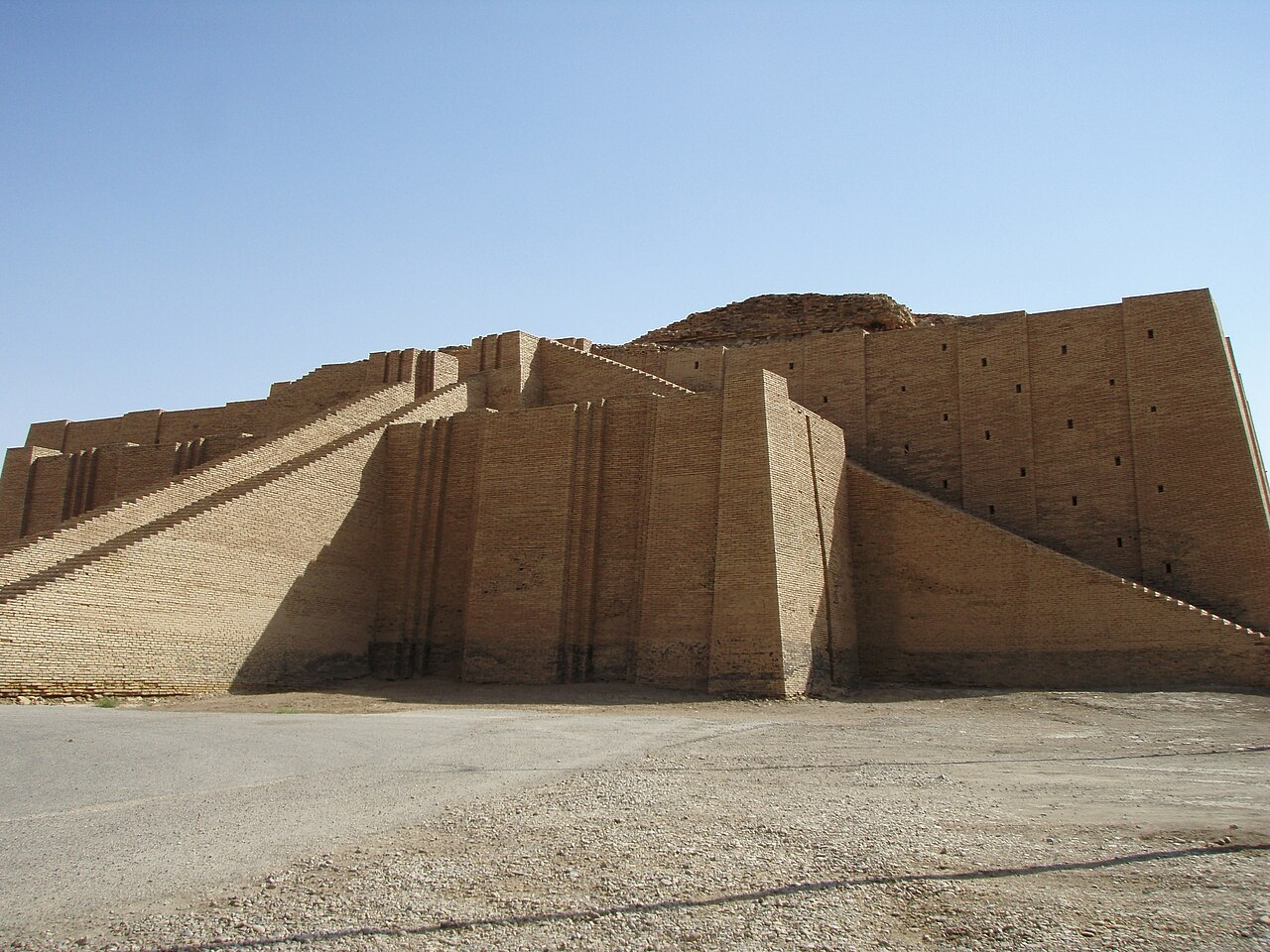
Ziggurat of UrMesopotamia, c. 2100 BCE
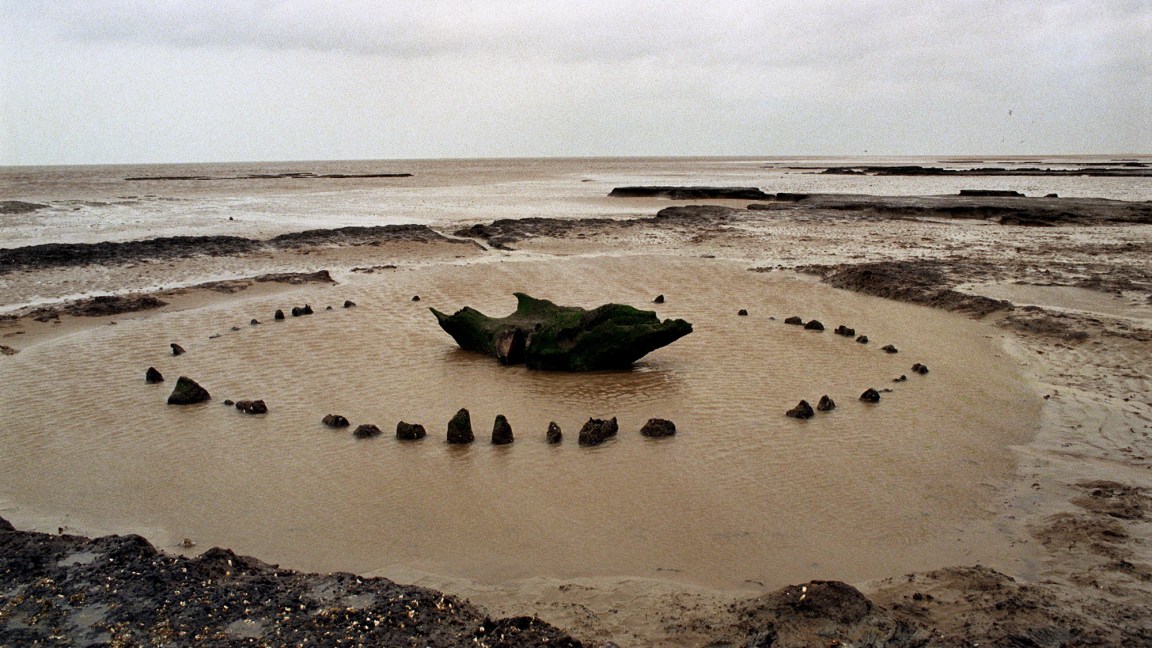
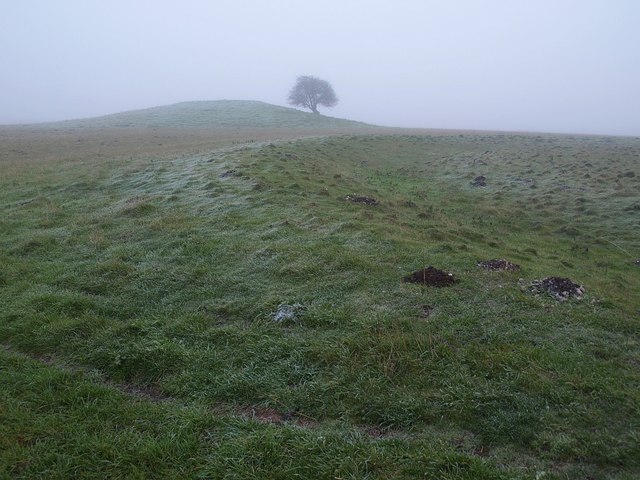
SeahengeNorfolk, England, c. 2100 BCE
Royal Palace of MariMesopotamia (Syria), c. 1900–1750 BCE
Palace of KnossosHeraklion, Crete, Greece, c. 1900–1370 BCE
Pyramid of SenusretLahun, Egypt, c. 1897–1878 BCE
Bush BarrowWiltshire, England, c. 1900 BCE
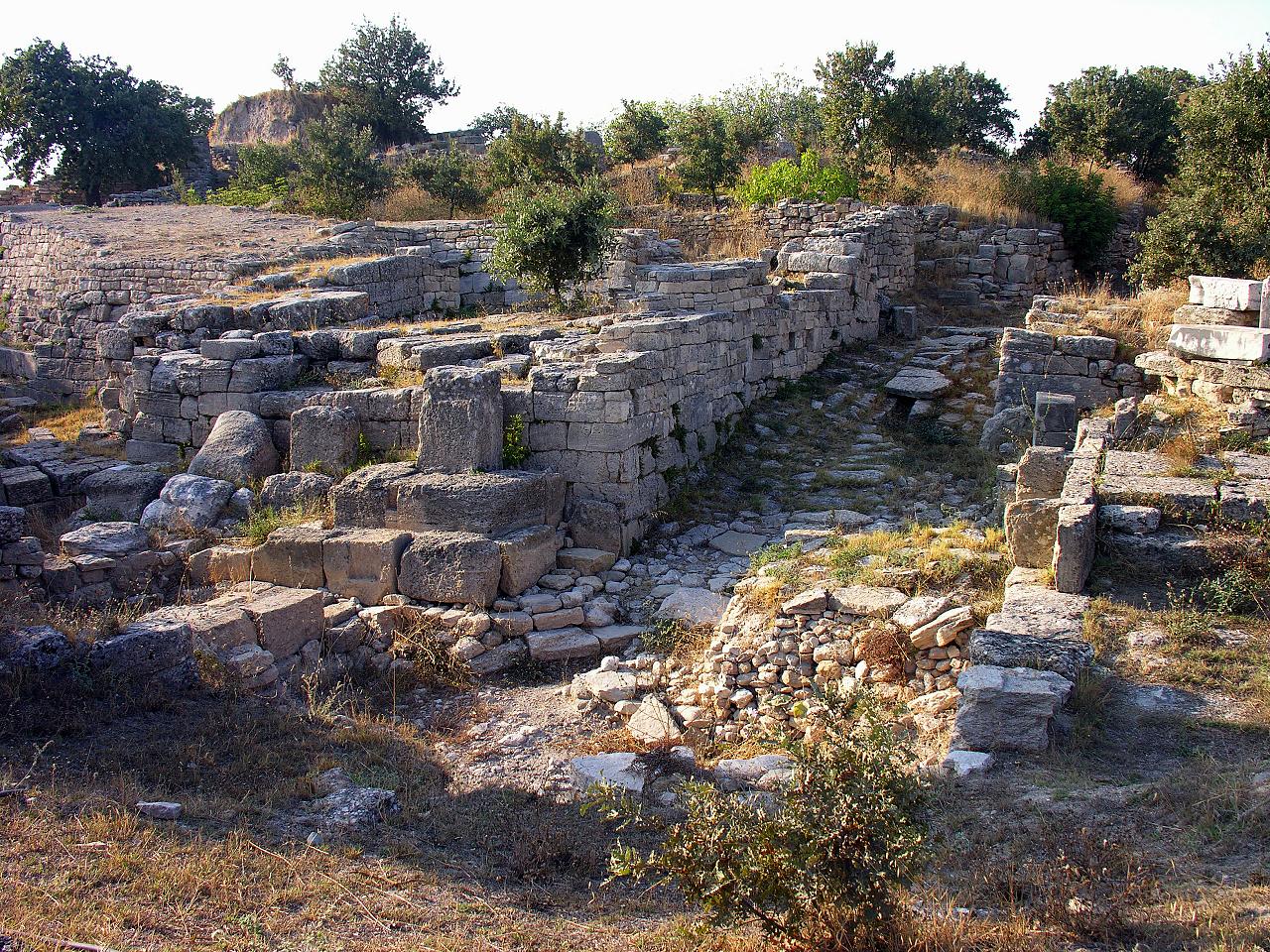
Troy (VI)Anatolia (Turkey), c. 1700–1250 BCE
Temple of KarnakKarnak, Egypt, c. 1500–1200 BCE
HattusaAnatolia (Turkey), c. 1400–1200 BCE
MycenaeGreece, c. 1400–1200 BCE
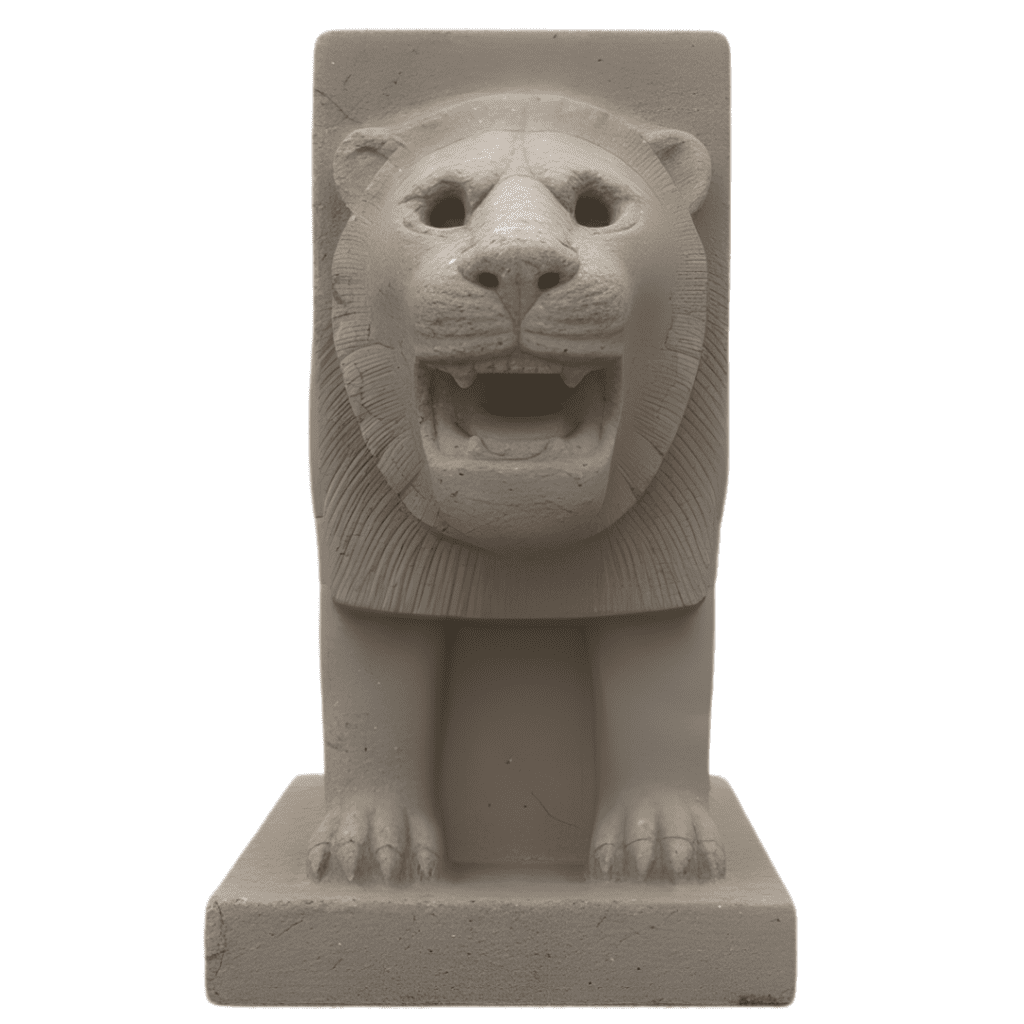
Lion Sculpture Relief

Monuments of Power

Sacred Thresholds

Lion gates, sphinx-lined avenues, and monumental entrances define the architecture of power in the Bronze Age.

Across the eastern Mediterranean and Near East, elite centres were controlled thresholds guarded by symbolic animals. Lions, sphinxes, and hybrid creatures stood at gates and processional routes, embodying authority, protection, and divine sanction.

They marked the boundary between the ordinary world and spaces of political, religious, and economic power. As Bronze Age societies became increasingly stratified, architecture shifted from communal cosmological monuments to fortified citadels and palatial complexes, where access was regulated and meaning was encoded in stone reliefs and monumental sculpture.

* Hood, S. (1978). The Arts in Prehistoric Greece. Penguin.
* Bryce, T. (2005). The Kingdom of the Hittites. Oxford University Press.
* Marinatos, N. (1993). Minoan Religion: Ritual, Image, and Symbol. University of South Carolina Press.
* Preziosi, D. & Hitchcock, L. (1999). Aegean Art and Architecture. Oxford University Press.
* Frankfort, H. (1948). Kingship and the Gods. University of Chicago Press.
* Trigger, B. (2003). Understanding Early Civilizations. Cambridge University Press.

Circles of Life

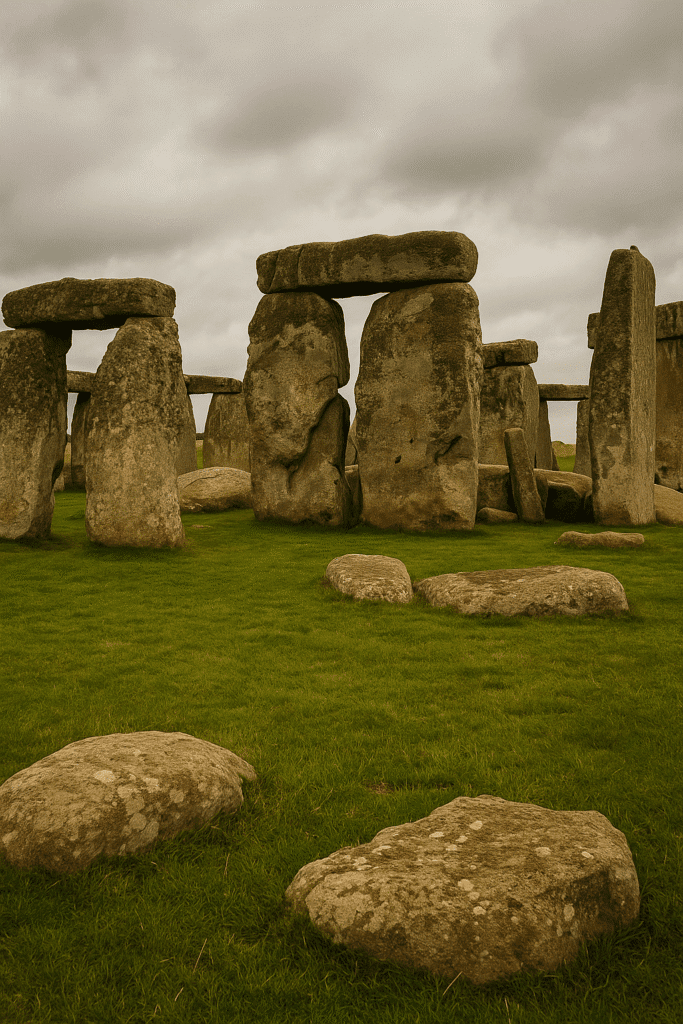
Across Europe, stone circles marked sacred places where the living met the cosmic order. Some aligned to solstices, others to burial traditions, others to mythic storytelling. Each one carried a different piece of the Neolithic mind.

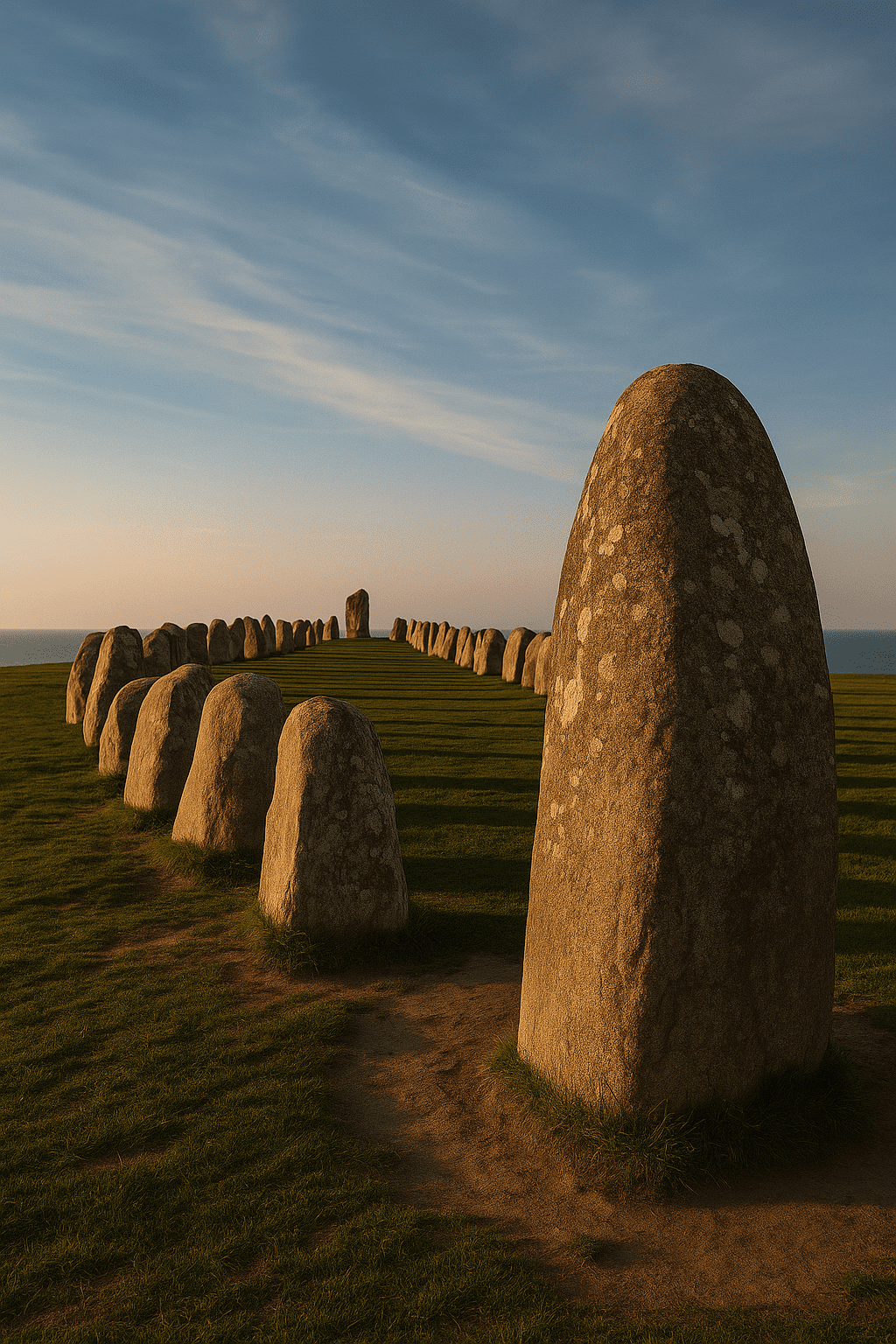
A 67-metre-long stone ship formation overlooking the Baltic Sea, constructed around 500–1000 CE. Though later than many other megalithic sites, its alignments and form draw from older Scandinavian ritual traditions.

The largest concentration of megalithic standing stones in the world, comprising over 3,000 menhirs aligned in long rows across the landscape. Built between c. 4500–3300 BCE, their exact purpose remains enigmatic but likely held ceremonial, astronomical, and territorial significance.

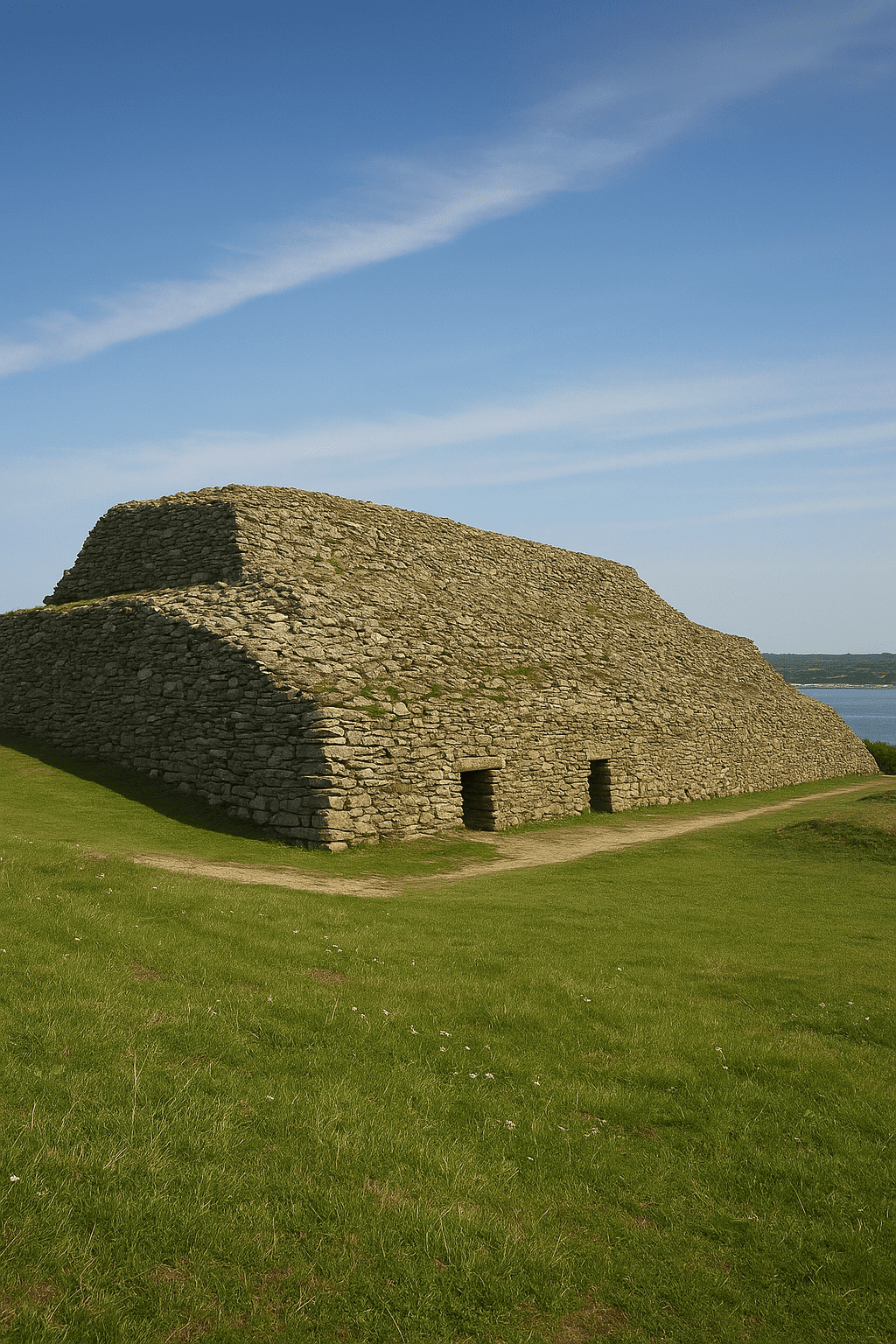
One of Europe’s oldest surviving megalithic structures, dating to c. 4800–3900 BCE. This vast multi-chambered cairn predates the Egyptian pyramids and showcases early monumental engineering in Atlantic Europe.

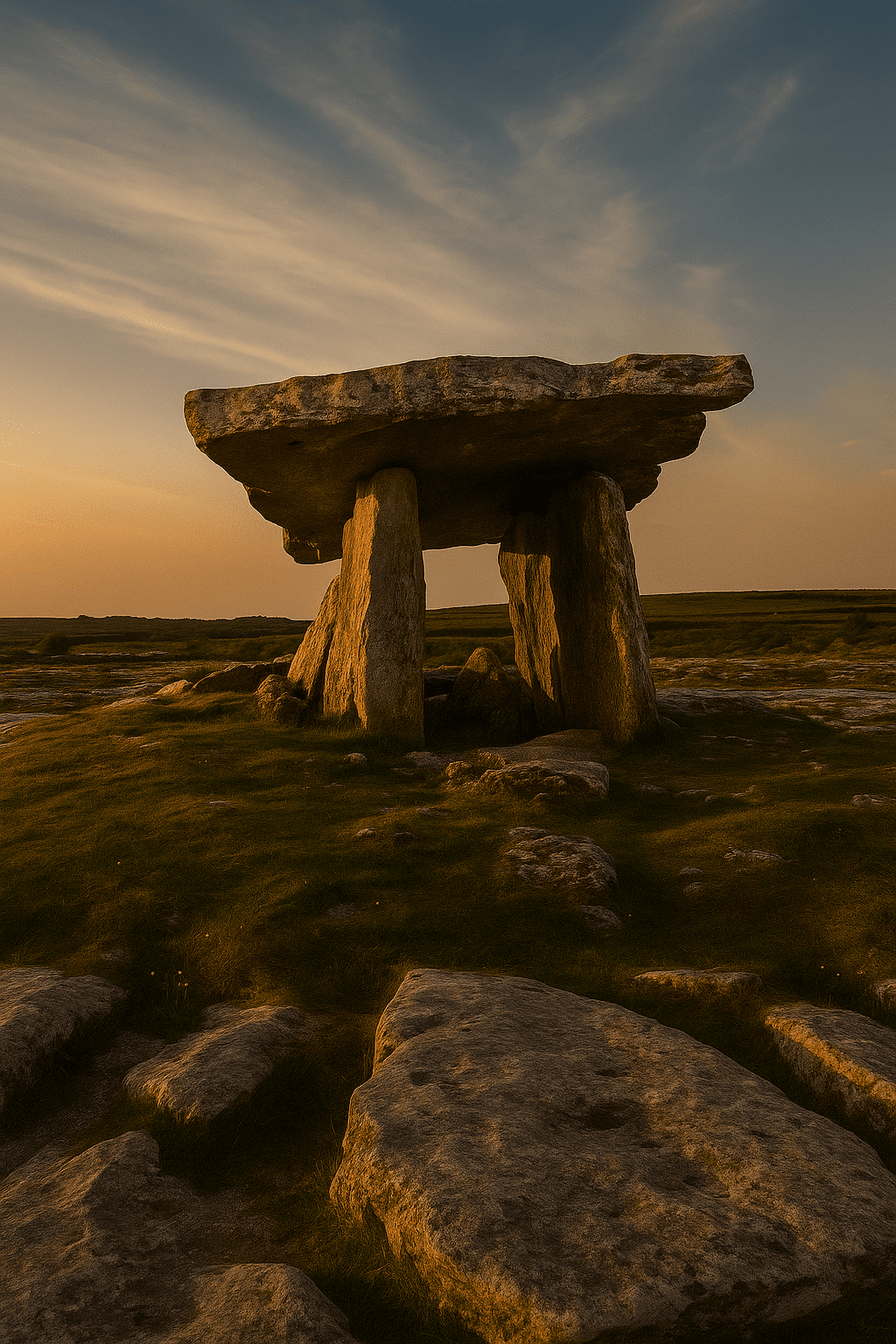
A striking Neolithic portal tomb dating to c. 3800–3200 BCE, Poulnabrone stands upon the limestone pavement of the Burren. Excavations reveal the remains of adults and children, ritual objects, and grave offerings, marking it as an important ceremonial burial site for early farming communities.

Load More

End of Content.

Documentaries

Bronze Age

As Prehistory gives way to the Bronze Age, humanity enters a new dawn. Metal replaces stone, communities expand into thriving societies, and monumental ideas take shape in art, ritual, and warfare. Explore the world as it begins to organise itself into the foundations of history.