ART, WORSHIP, AND THE COSMOS

Prehistory

What did it feel like to be human before cities, kings, and written memory?

This page works to build a broad, visually rich timeline focused on how early humans expressed connection to art, worship, and the cosmos — from symbolic thinking to the first monuments.

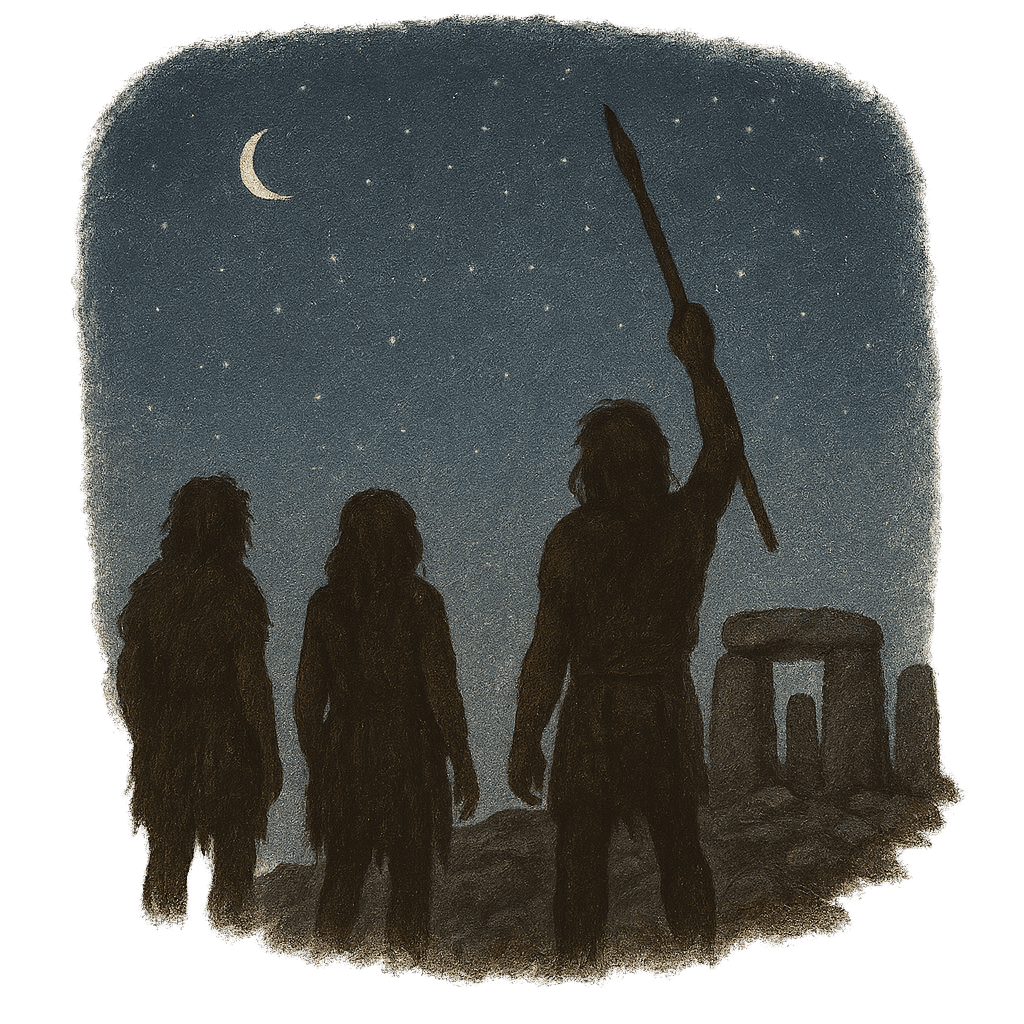
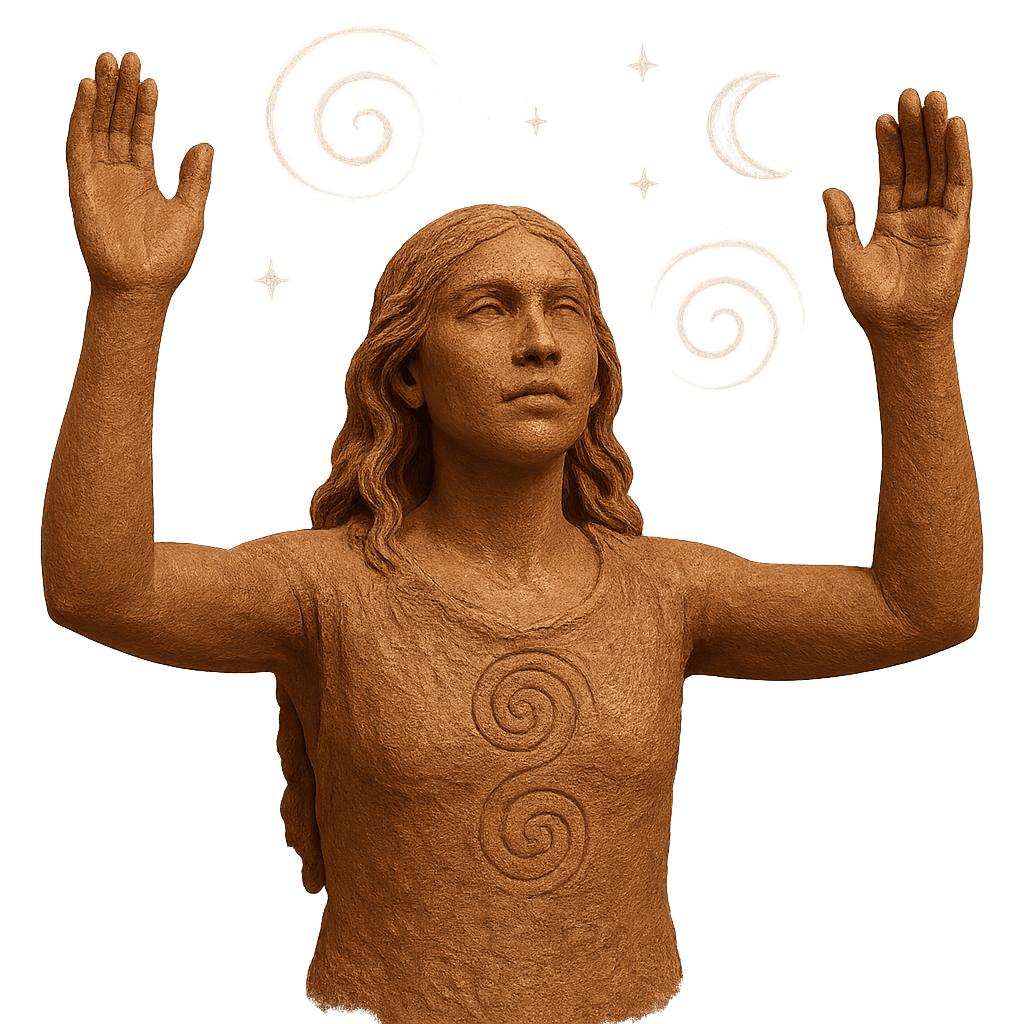
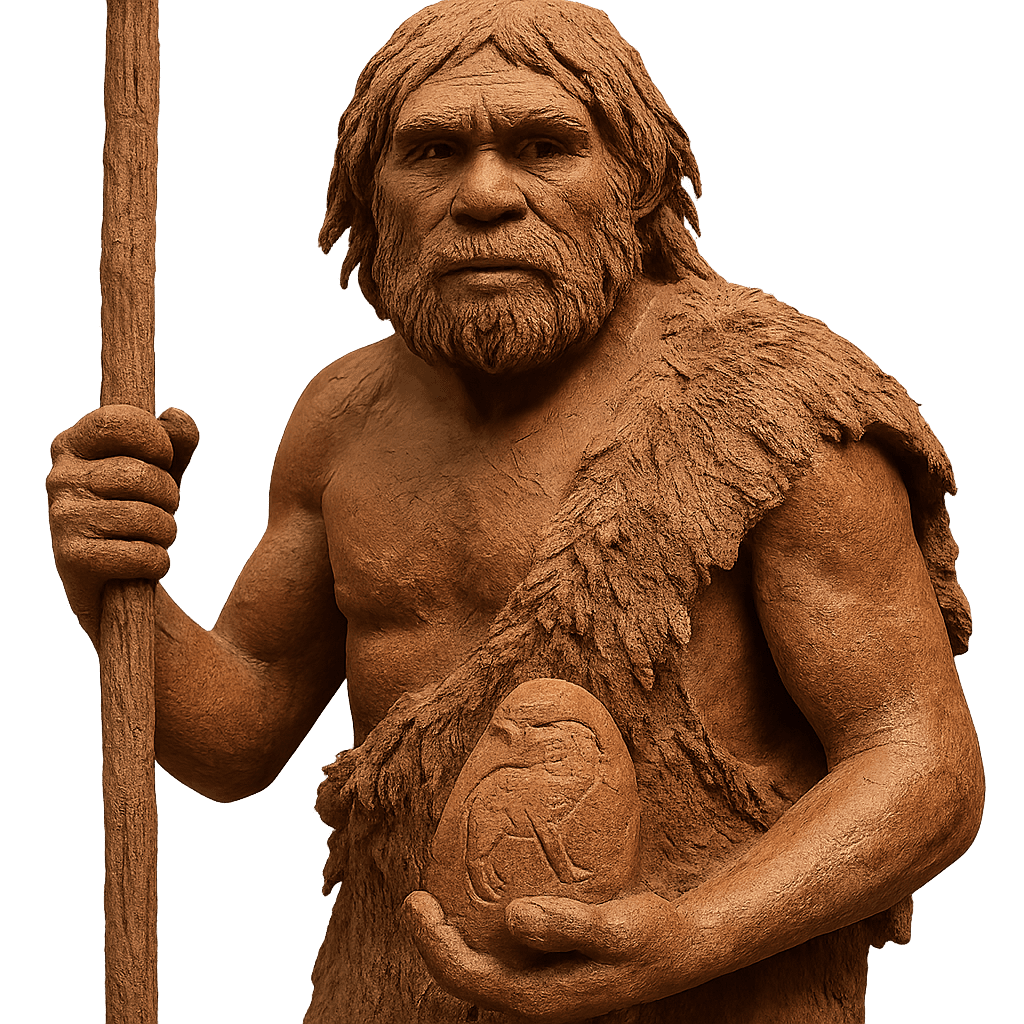
Prehistoric Figure with Staff and Artifact

Prehistory describes all human life before the invention of writing. It spans millions of years and encompasses humanity’s origins, toolmaking, migration, climate change, early art, ritual, and the rise of settled societies.

Palaeolithic

c. 2 500 000 – 10 000 BCE

Mesolithic

c. 10 000 – 6000 BCE

Neolithic

c. 6000 – 2000 BCE

Foundations of Prehistoric Study 

Key Concepts in Prehistory

Understanding Prehistory requires more than dates and artefacts — it asks us to interpret the earliest expressions of humanity across landscapes, cultures, and deep time. These four pillars introduce the essential frameworks scholars use to unlock the ancient past.

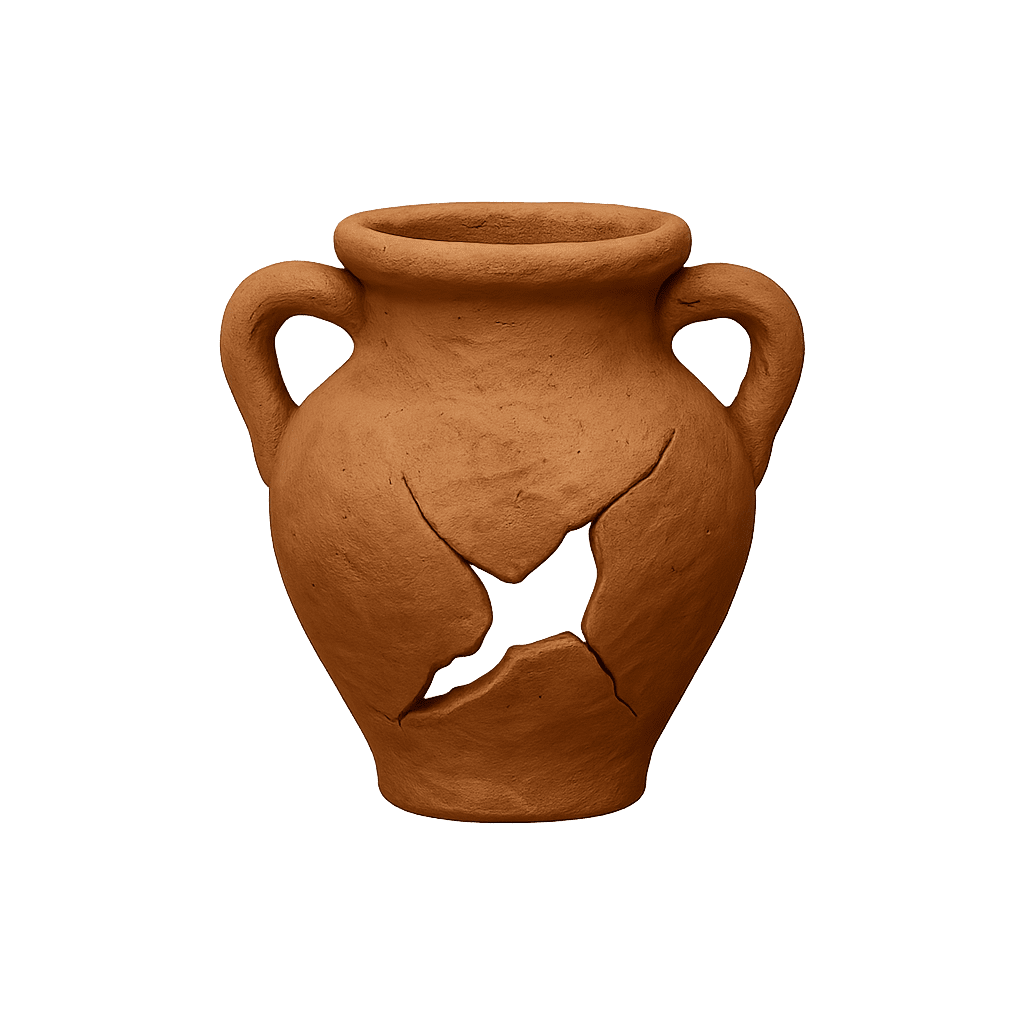
Cracked Terra Cotta Amphora

Archaeology

Learn more →

The physical remains of the past—tools, pottery, bones, fire pits, structures—are the primary sources for reconstructing prehistoric life. Archaeology provides the evidence that allows us to uncover how early people lived, worked, travelled, and imagined their world.

Environment - Terracotta Sun Emblem Sculpture

Climate

Learn more →

Prehistoric environments were shaped by dramatic climate shifts. From Ice Age tundra to rising seas and forested valleys, the land itself determined how humans hunted, migrated, and settled. Understanding these changes reveals why prehistoric societies evolved as they did.

Innovation

Learn more →

Stone tools, fire-making, woodworking, textiles, pottery, and early farming technologies mark key turning points in human intelligence and social development. These innovations illuminate how early humans adapted to challenges and transformed their world.

Terracotta Stars on White

Belief

Learn more →

Burial customs, symbolic art, figurines, stone circles, and ceremonial landscapes reveal the beginnings of shared meaning, spirituality, and communal identity. Expressions giving insight into how early communities understood life, death, time, and the cosmos.

To understand the Neolithic world is to understand a universe measured not in years, but in shadows, seasons, and stone.

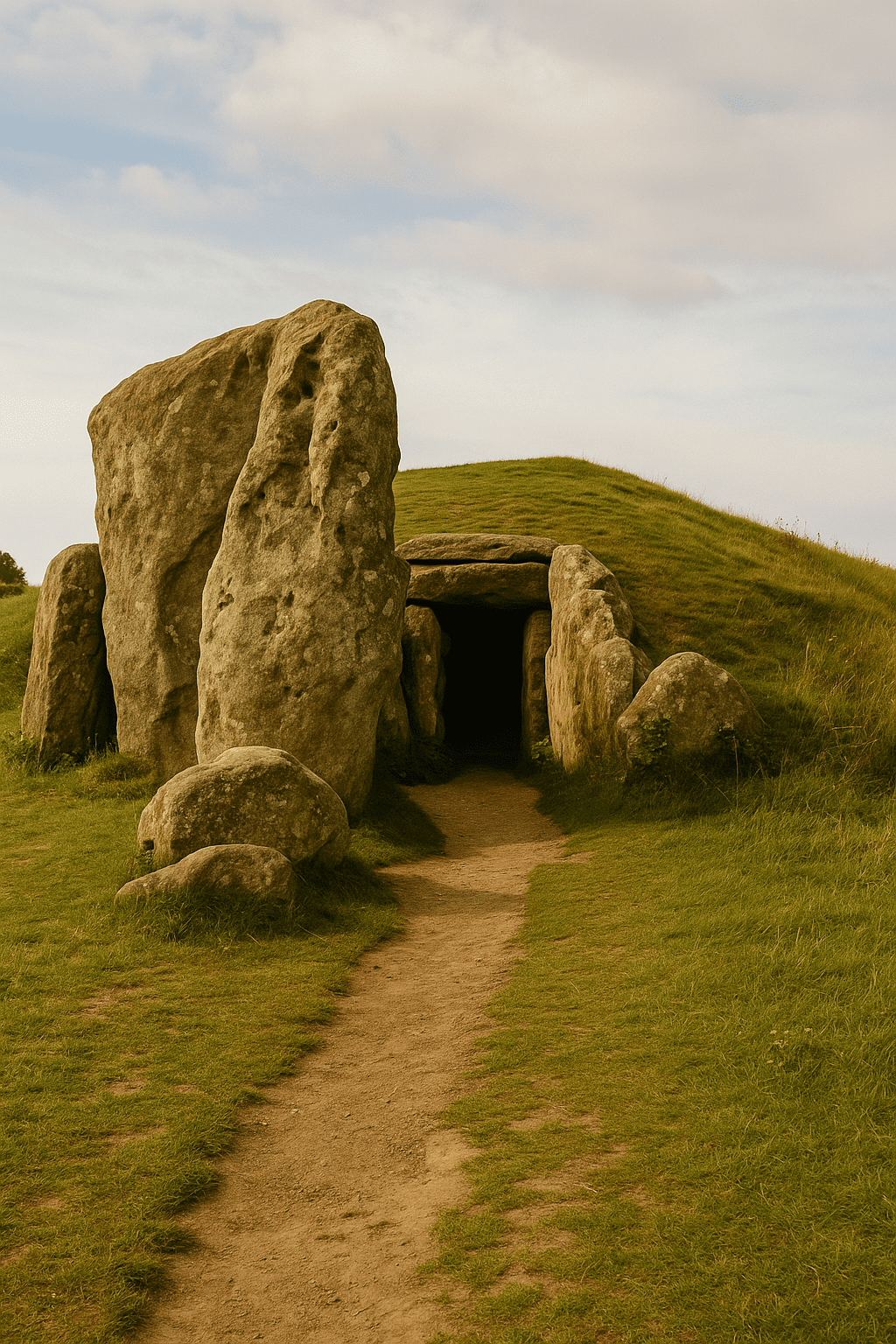
During the Neolithic period, communities across Europe and the Near East began constructing monuments that reveal an emerging relationship between the landscape, the sky, and seasonal change. Megalithic architecture—ranging from chambered tombs to standing stones—appears to reflect early agricultural societies’ growing concern with timekeeping, ritual, and community identity. These sites often occupy elevated or liminal positions in the landscape, linking human activity with celestial cycles such as solstices and equinoxes.

* Bradley, R. (1998). The Significance of Monuments: On the Shaping of Human Experience in Neolithic and Bronze Age Europe. London: Routledge.
* Bradley, R. (2000). An Archaeology of Natural Places. London: Routledge.
* Renfrew, C. (1976). “Megaliths, Territories and Populations.” Man (New Series) 11 (1): 145–166..
* Ran, B. & Liran, R. (2008). “Midsummer Sunset at Neolithic Jericho.” Time and Mind: The Journal of Archaeology, Consciousness and Culture, 1(3): 273–284.
* Ruggles, C. (2005). Archaeoastronomy in the Twenty-First Century: A Holistic Approach. New York: Springer.

Blombos Cave South Africa, c. 75,000 BCE
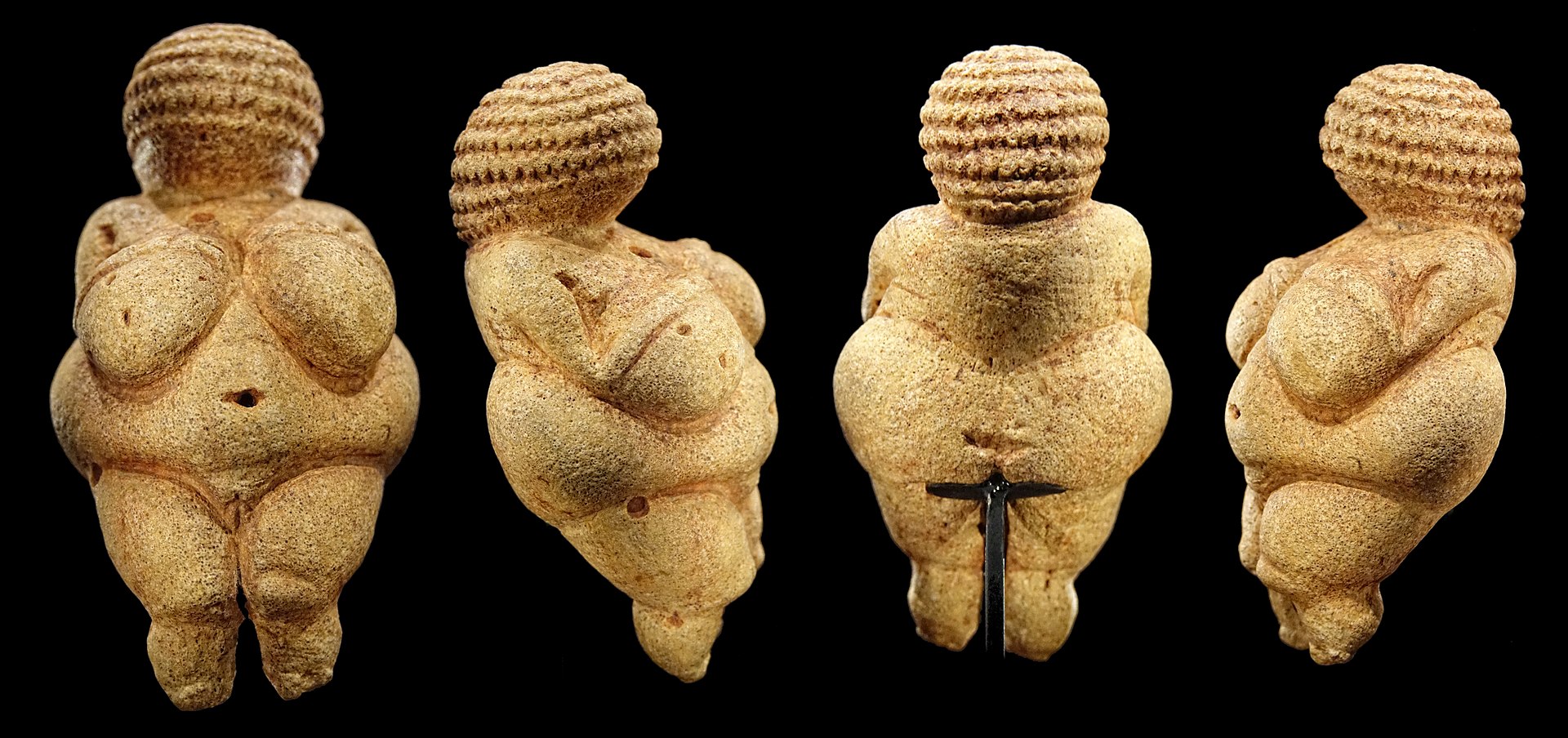
Venus of Willendorf Austria, c. 28,000 BCE
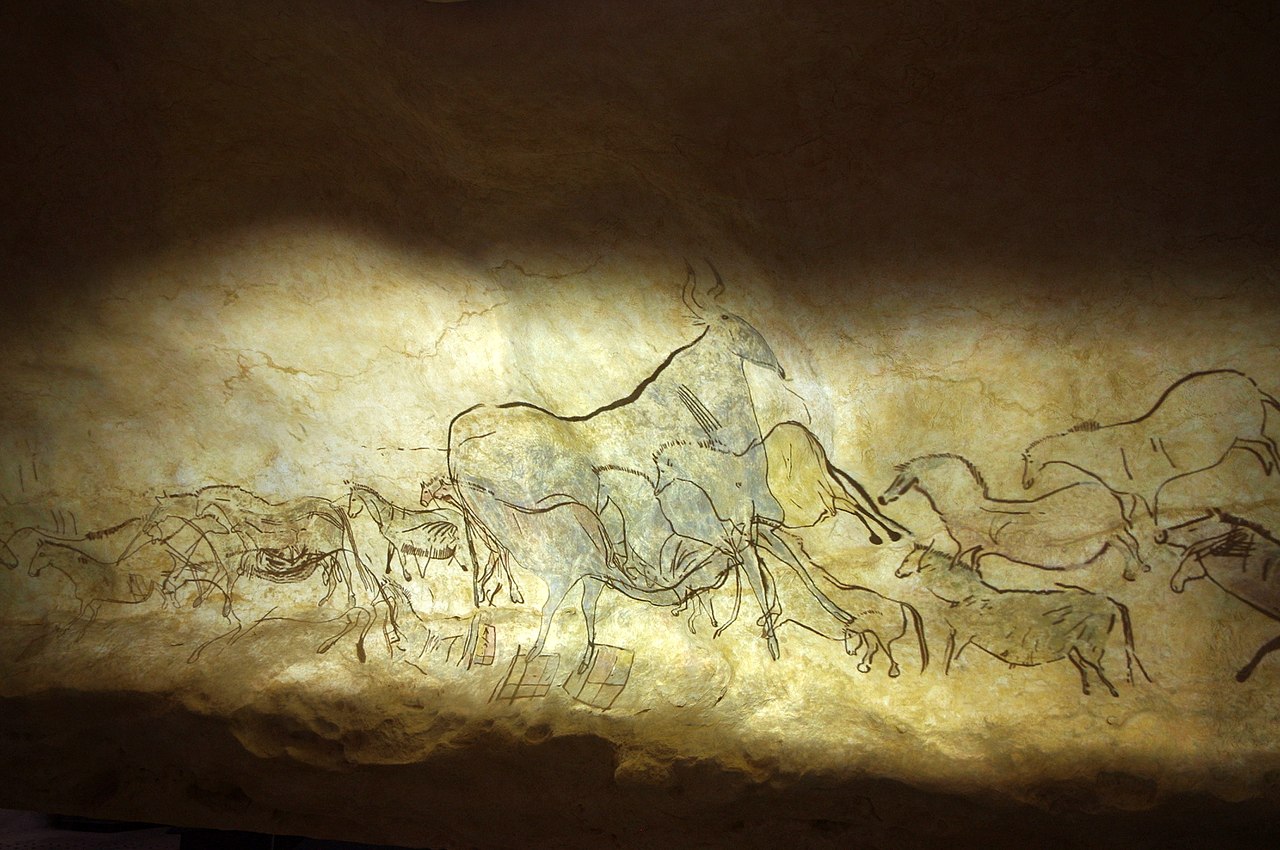
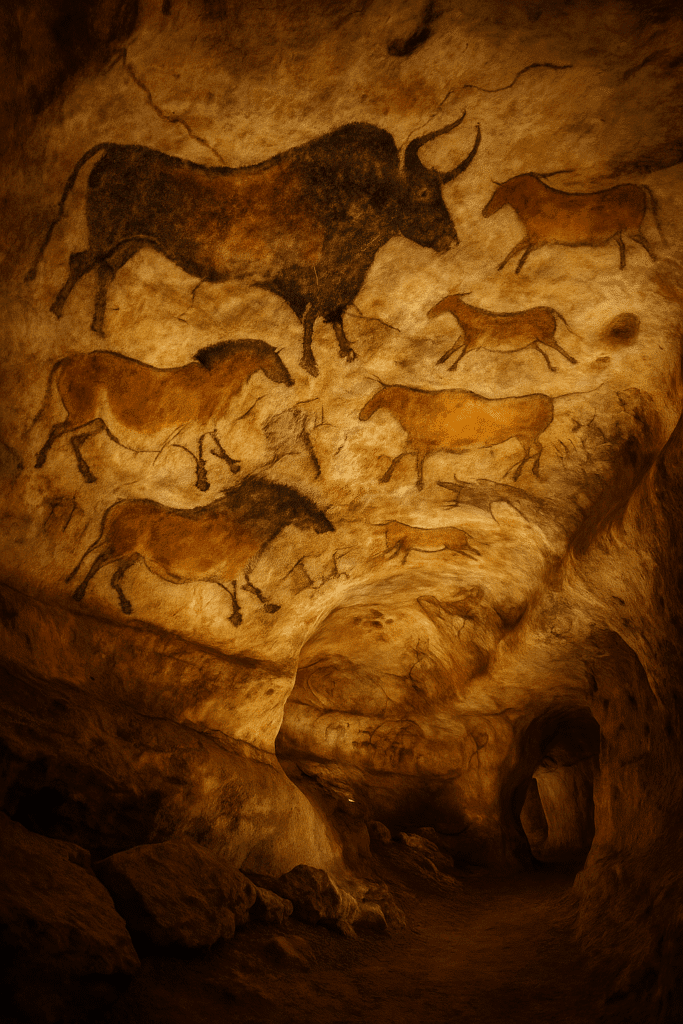
Lascaux & Chauvet Cave PaintingsFrance c. 30,000–15,000 BCE
Sungir Site Russia, c. 34,000–28,000 BCE
Astronomical Awarenessc. 12,000 – 9,500 BCE
Göbekli TepeTurkey, c. 9500 BCE
Neolithic Revolutionc. 9,000 – 6,000 BCE
Mother Goddess CultsAnatolia, c. 7400–6200 BCE
EriduSouthern Mesopotamia, c. 5400–4000 BCE
Carnac StonesFrance, c. 4500–3300 BCE

Monoliths

Standing Stones & Cycles

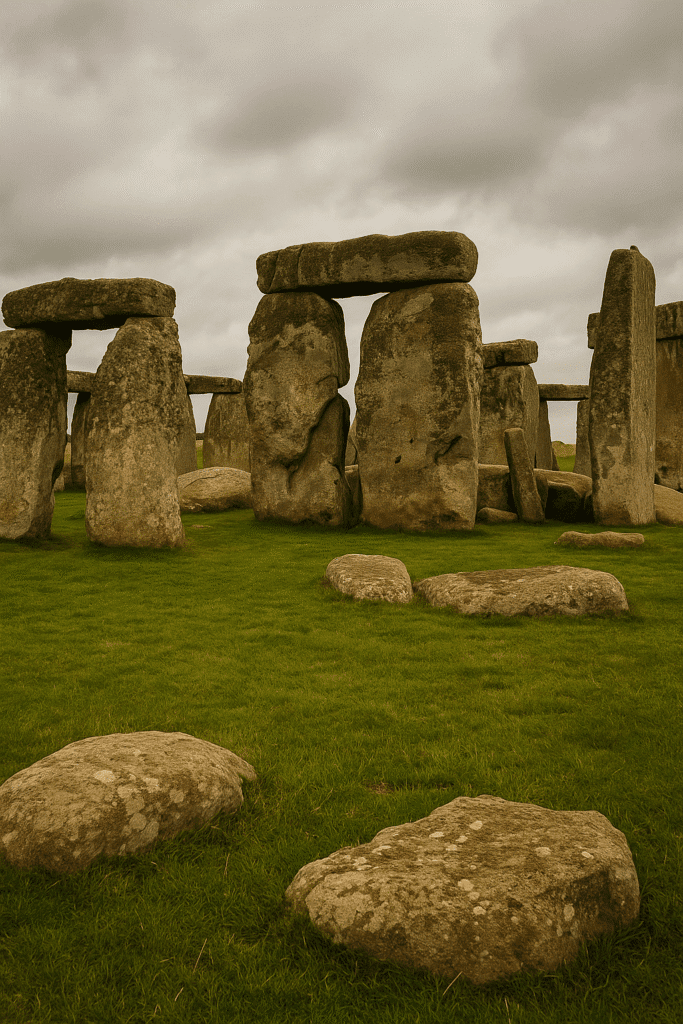
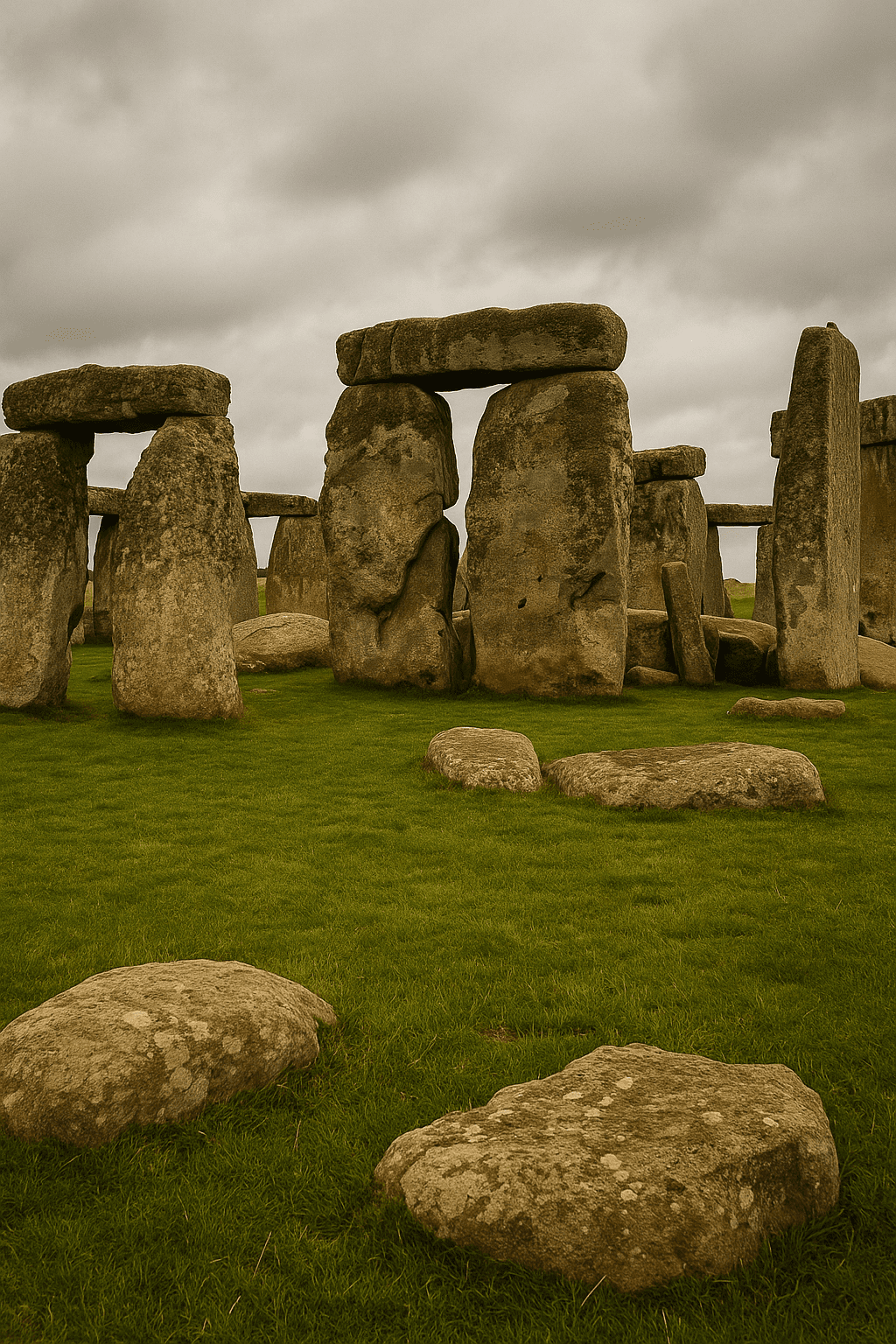
Monumental stone settings such as Stonehenge, Carnac, and Newgrange demonstrate a sophisticated understanding of astronomical movement and cyclical time. Alignments with solar and lunar events indicate that Neolithic builders incorporated cosmological principles into social and ritual practices. These monuments served as both ceremonial gathering places and material calendars, expressing a worldview in which life, death, and renewal were governed by the rhythms of the cosmos.

* Ruggles, C. (1999). Astronomy in Prehistoric Britain and Ireland. New Haven: Yale University Press.
* Burl, A. (2000). The Stone Circles of Britain, Ireland, and Brittany. New Haven: Yale University Press. (A revised version of The Stone Circles of the British Isles).
* Renfrew, C. (1976). “Megaliths, Territories and Populations.” Man (New Series) 11 (1): 145–166.
* Parker Pearson, M. (2012). Stonehenge: Exploring the Greatest Stone Age Mystery. Simon & Schuster.
* Ruggles, C. (2005). Archaeoastronomy in the Twenty-First Century: A Holistic Approach. New York: Springer.
* Barnatt, N. (1998). “Sacred geography: a fresh look at the Neolithic monuments of north-east Dartmoor”. Antiquity, 72(276), 346-361.

Circles of Life

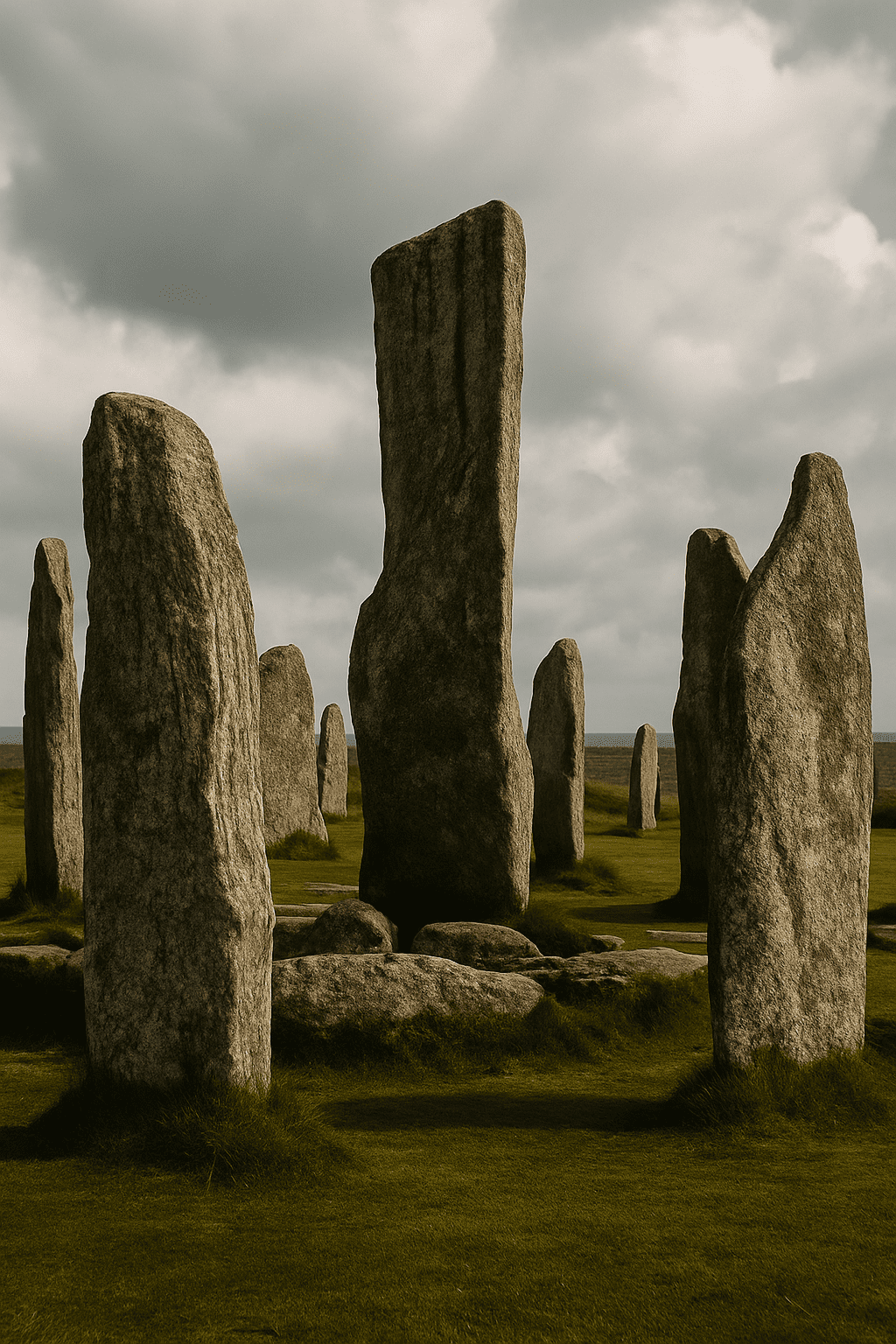
Across Europe, stone circles marked sacred places where the living met the cosmic order. Some aligned to solstices, others to burial traditions, others to mythic storytelling. Each one carried a different piece of the Neolithic mind.

A Late Neolithic monument built in several phases between c. 3000–2000 BCE, Stonehenge features massive sarsen stones and smaller bluestones aligned with the solstices.

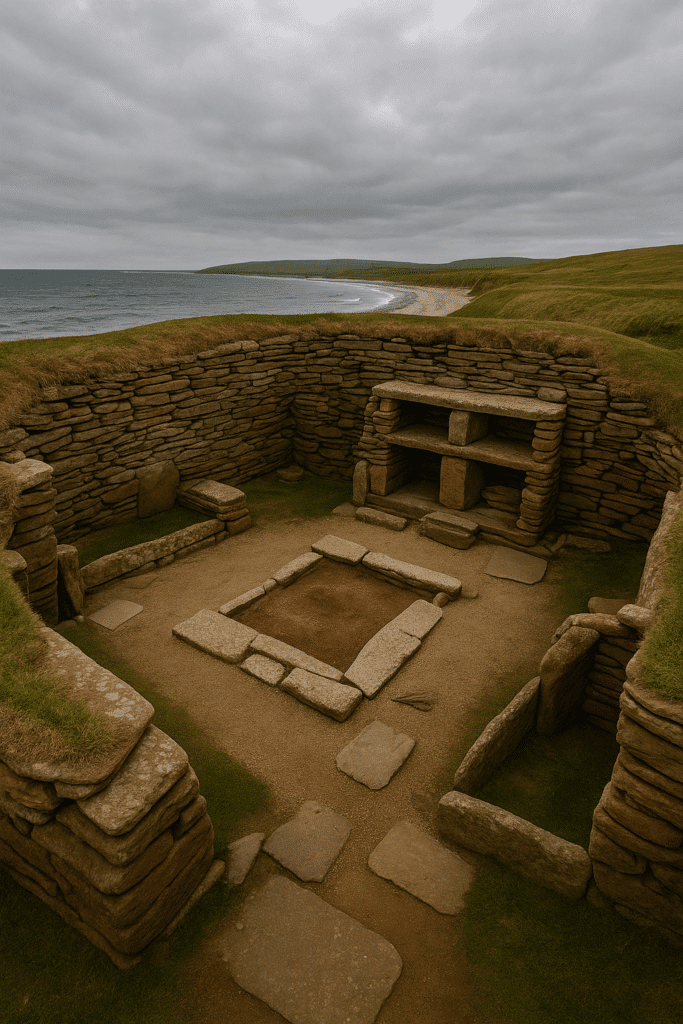
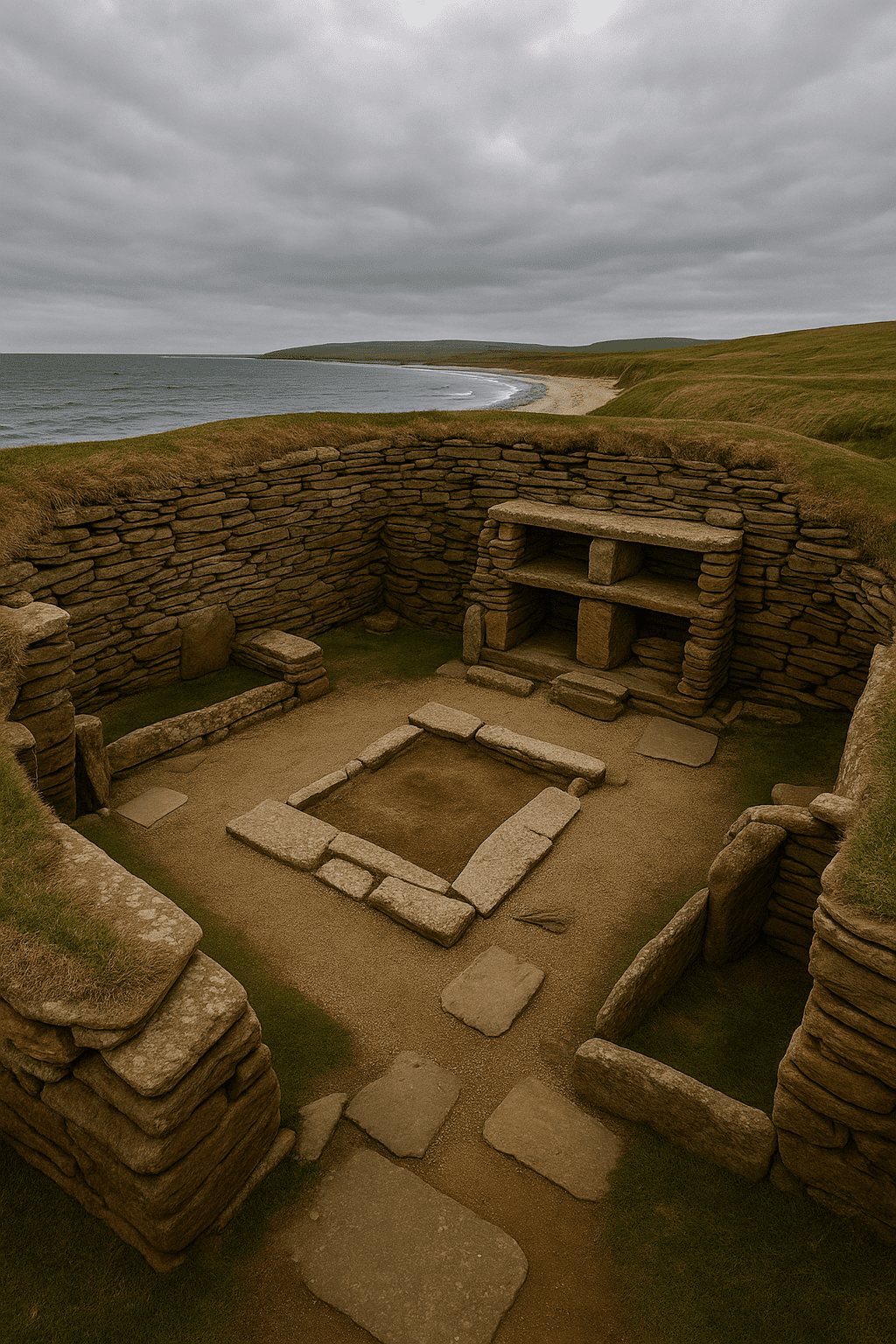
A remarkably preserved Neolithic village dating to c. 3180–2500 BCE. Revealed by a storm in 1850, Skara Brae contains stone-built homes complete with hearths, beds, and dressers.

A stone circle and ritual complex erected c. 2900–2600 BCE. Its cruciform layout and astronomical alignments suggest ceremonial use tied to lunar cycles and seasonal rites.

Load More

End of Content.

Documentaries

Bronze Age

As Prehistory gives way to the Bronze Age, humanity enters a new dawn. Metal replaces stone, communities expand into thriving societies, and monumental ideas take shape in art, ritual, and warfare. Explore the world as it begins to organise itself into the foundations of history.